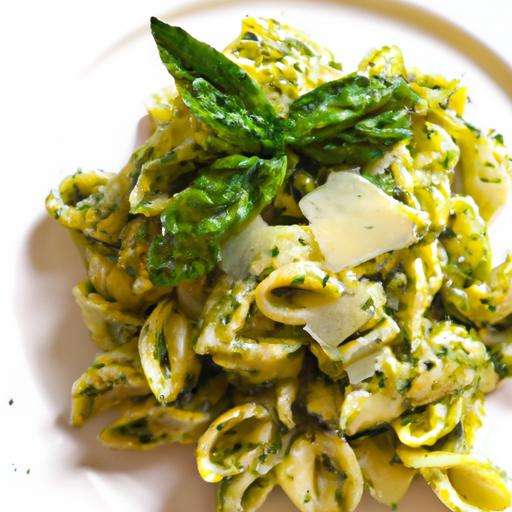
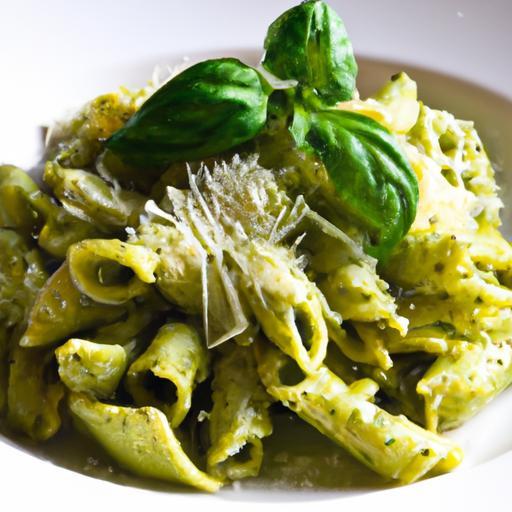

There’s something undeniably magical about a plate of pesto pasta-the way vibrant green basil leaves, nutty pine nuts, and fragrant garlic come together in a silky, emerald sauce that clings lovingly to every strand of al dente pasta. But achieving that perfectly lush, resturant-quality pesto pasta at home can feel like an elusive art. What’s the secret to balancing freshness with texture,creating a sauce that’s radiant,creamy,and deeply flavorful all at once? In this article,we’ll unlock the culinary mysteries behind making pesto pasta that’s not just good,but irresistibly vibrant-guiding you step-by-step through the ingredients,techniques,and tips that transform simple components into a dish bursting with flavor and elegance. Get ready to elevate your pesto game and savor every luscious bite.
Unlocking the Secrets of perfectly Lush Pesto Pasta begins with selecting the freshest ingredients, which is essential to preserving vibrant flavor and that unmistakable basil aroma. The magic of a truly lush pesto lies not only in the basil’s bright green hue but also in the harmony between the herbs,nuts,and cheese. Embark on a sensory journey from the market to your kitchen, where the art of balance and texture elevates this classic sauce beyond everyday fare.
Prep and Cook Time
- Readiness: 15 minutes
- Cooking: 10 minutes (pasta)
- Total Time: 25 minutes
Yield
Serves 4 generous portions
Difficulty Level
Easy to Medium – Perfect for both pesto beginners and seasoned home cooks
Ingredients
- 2 cups fresh basil leaves, packed, washed and dried
- 1/2 cup pine nuts (or substitute with walnuts for a richer flavor)
- 1/2 cup freshly grated Parmesan cheese
- 2 large garlic cloves, minced
- 2/3 cup extra virgin olive oil
- 1/4 teaspoon sea salt, plus more to taste
- Freshly ground black pepper, to taste
- 12 oz pasta (trofie, spaghetti, or linguine works beautifully)
- Juice of half a lemon (optional but recommended to brighten flavors)
Instructions
- Toast the Nuts: In a dry skillet over medium heat, lightly toast pine nuts until golden and fragrant, about 3-5 minutes. Stir frequently enough to avoid burning.Remove from heat and let cool.
- Prepare the Basil: Gently pat dry basil leaves to prevent excess moisture. This step ensures your pesto stays vivid green and silky.
- Blend the Ingredients: In a food processor,combine toasted pine nuts,minced garlic,and basil leaves. Pulse several times until coarsely chopped.
- Add Cheese and Salt: Add Parmesan cheese, sea salt, and freshly ground black pepper. Pulse again to incorporate.
- Slowly Incorporate Olive Oil: With the processor running on low, drizzle in olive oil slowly. This gradual addition creates the emulsion that achieves pesto’s signature silky smooth texture.
- Finish with Lemon Juice: Add a splash of fresh lemon juice and pulse just to combine – this brightens the sauce and heightens the fresh basil notes.
- Cook pasta: Bring a large pot of salted water to a boil and cook pasta according to package instructions until al dente. Reserve ½ cup pasta water before draining.
- toss Pasta and Pesto: Return pasta to the pot off heat.Add pesto and a few tablespoons of reserved pasta water. Toss gently until the sauce clings luxuriously to each strand.
- Adjust Seasoning: Taste and add more salt, pepper, or a drizzle of olive oil if needed. Serve immediately for the freshest experience.
Tips for success
- Choose Basil Wisely: Opt for bright green leaves without blemishes.Younger leaves pack more flavor and less bitterness.
- Nut Ratio: Master the nut to basil ratio by adjusting pine nuts between 1/3 to 1/2 cup-enough to complement but not overshadow the basil’s freshness.
- Texture Technique: To keep pesto smooth rather than chunky, pulse ingredients rather than blending continuously. Over-blending can release bitterness and cause overheating.
- Make Ahead: Pesto can be stored in an airtight container with a thin layer of olive oil on top, refrigerated up to 3 days or frozen for up to 3 months.
- Flavor Variations: Experiment by swapping Parmesan for Pecorino Romano, or pine nuts for toasted almonds for a delightful twist.
Serving Suggestions
Serve your pesto pasta piping hot, garnished with freshly grated Parmesan and a few whole toasted pine nuts for crunch. A delicate drizzle of extra virgin olive oil over the top adds shine and richness. Complement with a crisp white wine, such as Pinot Grigio, and a light green salad with lemon vinaigrette to balance the dish’s herbaceous brightness.
For an elevated plating, add roasted cherry tomatoes or grilled shrimp for protein and colour contrast. Serve alongside crusty, warm focaccia bread smeared with a bit of pesto to double down on that luscious flavor.

| Nutrient | Per Serving |
|---|---|
| Calories | 420 kcal |
| Protein | 14 g |
| Carbohydrates | 45 g |
| Fat | 18 g |
For deeper insight into pasta varieties to pair with your pesto, check out our Ultimate Guide to Pasta Shapes. To explore the rich history and health benefits of basil, visit Britannica’s basil overview.
Q&A
Q&A: Unlocking the Secrets of Perfectly Lush Pesto Pasta
Q1: What makes pesto pasta “perfectly lush”?
A1: The magic lies in the pesto’s vibrancy and texture. A perfectly lush pesto pasta isn’t just about throwing basil and nuts together-it’s about a harmonious blend of fresh, fragrant basil leaves, toasted pine nuts, sharp Pecorino Romano, creamy olive oil, and a touch of garlic. When combined with al dente pasta, it creates a vivid, silky sauce that clings lovingly to every strand, delivering bursts of herbal, nutty, and cheesy goodness in every bite.
Q2: Can I use any type of basil to make authentic pesto?
A2: For the truest taste, fresh Genovese basil is king. Its sweet, slightly spicy aroma is the soul of classic pesto. While other varieties like Thai or purple basil can add captivating twists, they might alter the flavor profile. Always opt for vibrant, tender leaves, and avoid any wilted or darkened ones.
Q3: What’s the best pasta shape for pesto?
A3: Pasta shapes with grooves or ridges, like trofie, fusilli, or gemelli, are perfect because they trap the pesto sauce beautifully. However, classic spaghetti or linguine also works wonderfully if you prefer a smoother sauce coating. The key is to cook your pasta just until al dente, so it has the right bite and texture.
Q4: How do I ensure my pesto stays bright green and fresh?
A4: Oxidation is pesto’s enemy.To keep that lush green color, blend the ingredients quickly and avoid over-processing, which can warm up the sauce and cause browning. Use cold olive oil and add a squeeze of lemon juice-its acidity preserves the vibrant hue and lifts the flavor.
Q5: Can I substitute any ingredients without sacrificing the “lushness”?
A5: Absolutely! If pine nuts are scarce or pricey, walnuts or almonds can provide a lovely nuttiness but expect subtle flavor changes. For cheese, Parmesan or Grana Padano can be splendid alternatives. Just remember-the key to lushness is balance. Adjust the ratios carefully to maintain that creamy, rich texture without overpowering the basil’s freshness.
Q6: What’s a secret tip for tossing pesto with pasta?
A6: Reserve a small cup of starchy pasta water before draining. Adding a splash while tossing your pesto and pasta helps emulsify the sauce, making it silky and clingy. This little trick transforms a simple mix into a luscious coating that feels like it was made in a trattoria.
Q7: How can I elevate my pesto pasta further?
A7: Adding a final flourish-like a drizzle of extra virgin olive oil, a sprinkle of toasted pine nuts, or even a handful of fresh cherry tomatoes-can add texture and brightness.For a decadent touch, a dollop of creamy burrata or a sprinkle of lemon zest heightens the dish’s freshness and indulgence.
Q8: Is it better to make pesto fresh or can it be stored?
A8: Fresh pesto is always best, bursting with vivid aroma and flavor. However, you can store pesto in an airtight container with a thin layer of olive oil on top to prevent oxidation, and refrigerate it for up to 3 days. For longer storage, freezing pesto in ice cube trays preserves its essence and offers speedy, flavorful portions when pasta time calls.
Unlocking the secrets of perfectly lush pesto pasta is an art-and a joyous one at that. With fresh ingredients, mindful technique, and just a hint of love, your pesto pasta will become a vibrant, irresistible culinary masterpiece. Buon appetito!
To Wrap It Up
As you twirl your fork into that vibrant, herbaceous mound of pesto pasta, remember: the magic lies not just in the ingredients, but in the harmony they create. Unlocking the secrets to perfectly lush pesto pasta is an art-one that balances freshness, texture, and a touch of culinary intuition. With every basil leaf picked at peak brightness, every drizzle of golden olive oil, and each handful of toasted pine nuts, you bring the plate to life. So next time you cook, embrace thes insights, trust your palate, and savor the verdant, velvety symphony that is truly the heart of pesto pasta perfection.