
Few culinary endeavors evoke as much anticipation-and deserve as much reverence-as the perfect prime rib. that golden-crusted, melt-in-your-mouth centerpiece can transform an ordinary meal into a memorable feast. Yet,mastering this majestic roast often feels like a secret guarded by seasoned chefs and home cooks alike. Enter the “500 Rule” and the “Closed Oven Method,” two ingenious techniques that promise to demystify the process and elevate your prime rib game to legendary status. In this article, we’ll unravel the science and art behind these methods, guiding you step-by-step toward prime rib perfection that’s as reliable as it is indeed delectable. Get ready to unlock the secrets that turn a humble cut of beef into a show-stopping masterpiece.
Mastering Prime Rib: The 500 Rule & Closed Oven Method
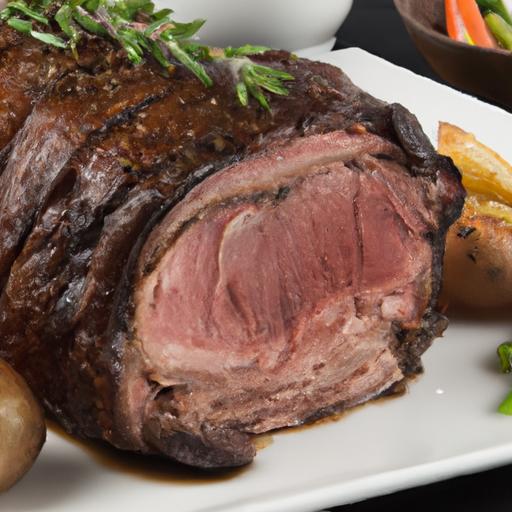
Mastering prime rib begins with understanding the science and technique that make this cut extraordinary-juicy, tender, and loaded with flavor. Using the 500 Rule and the Closed Oven Method, you take the guesswork out of roasting, guaranteeing an evenly cooked prime rib with a beautifully caramelized crust and a succulent, rosy interior. This method, inspired by classical roasting traditions and my years of culinary exploration, transforms a standard dinner into an unforgettable centerpiece.
Prep and Cook Time
- Preparation: 30 minutes
- Roasting Time: 30 minutes at 500°F, then 90-120 minutes closed at 225°F (depending on weight)
- Resting: 30 minutes
- Total Time: Approximately 3 to 3.5 hours
Yield
- Serves 8-10 people
Difficulty Level
- Medium - Ideal for home cooks confident with roasting and knife work, but approachable with detailed guidance
Ingredients
- 1 prime rib roast (bone-in, 5-6 lbs, USDA Choice or Prime grade)
- 2 tablespoons kosher salt
- 1 tablespoon freshly ground black pepper
- 2 tablespoons garlic powder
- 1 tablespoon dried rosemary, crushed
- 2 tablespoons olive oil
- Fresh herbs (thyme, rosemary, optional for garnish)
- 2 cloves garlic, thinly sliced (optional, for layering under the crust)
Instructions
- Preparing the roast: Remove your prime rib from the refrigerator at least 2 hours before cooking to reach room temperature, ensuring even cooking throughout.
- Seasoning: Pat the meat dry with paper towels. Mix kosher salt, black pepper, garlic powder, and crushed rosemary in a small bowl. Rub the roast evenly with olive oil, then generously apply the seasoning blend until the surface is thoroughly coated. For an aromatic boost, tuck garlic slices under the fat layer if desired.
- Initial high-heat sear: Preheat your oven to 500°F (260°C). Place the seasoned roast on a rack in a roasting pan, fat side up. Insert a meat thermometer probe into the thickest part of the meat, avoiding bone. Roast uncovered for exactly 30 minutes. This high heat jumpstarts the Maillard reaction, developing a deep, flavorful crust.
- Closed oven method: Instantly after 30 minutes, reduce the oven temperature to 225°F (107°C) without opening the oven door. Close the oven tightly and roast until the internal temperature reaches 125°F (52°C) for medium rare, about 90-120 minutes depending on size. Avoid peeking to lock in moisture and heat evenly without drying out the meat.
- Resting: Once the roast hits your target temperature,remove it carefully from the oven. Tent loosely with aluminum foil and let it rest for 30 minutes.Resting allows juices to redistribute, locking in every bit of succulence and making the roast easier to carve.
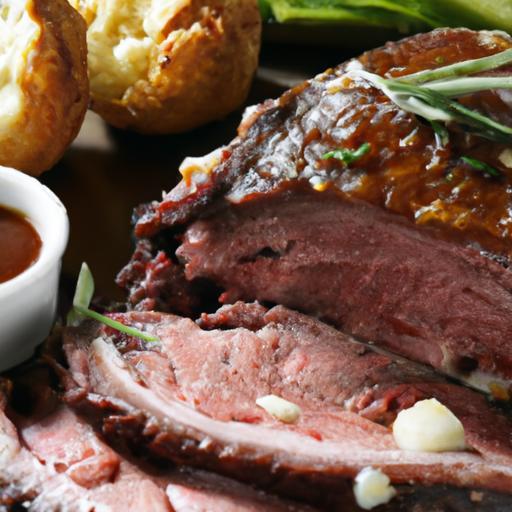
- Carving: Using a sharp chef’s knife, carve the prime rib into thick, even slices cutting against the grain. Serve immediately for best texture and flavor.
tips for Success: Unlocking the Secrets of the 500 Rule
- Precision is key: A reliable digital thermometer is your best friend to avoid overcooking.
- room temperature roast: Equilibrating the meat temperature prior to roasting ensures the heat penetrates evenly.
- Resist temptation to open the oven: The closed Oven Method hinges on holding consistent, low temperature for gentle cooking.
- Salt in advance: For enhanced flavor and crust, season your prime rib 24 hours before roasting and refrigerate uncovered, allowing the salt to dry-brine the meat.
- Variations: Add a butter-herb crust by blending softened butter with fresh herbs, garlic, and lemon zest for extra richness.
Serving Suggestions
Slice thick,juicy prime rib on a wooden or marble carving board. Garnish with sprigs of fresh rosemary and thyme for fragrant appeal. Serve alongside creamy horseradish sauce and natural jus made from the roasting pan drippings. Pair with roasted garlic mashed potatoes, crisp seasonal greens, and a medium-bodied red wine like Cabernet Sauvignon or Malbec to elevate the dining experience.

| Nutrient | Per Serving (Approx.) |
|---|---|
| Calories | 600 kcal |
| Protein | 58 g |
| Carbohydrates | 2 g |
| Fat | 40 g |
Hungry to explore more roasting techniques and the science behind them? Check out our Complete Guide to Roasting Meat for professional tips. For deeper scientific insights on the Maillard reaction driving prime rib’s crust,visit Science Daily’s explanation of Maillard browning.
Q&A
Q&A: Mastering Prime Rib – The 500 Rule & closed Oven Method
Q1: What exactly is the “500 Rule” when it comes to cooking prime rib?
A1: The ”500 Rule” is a clever cooking shortcut that takes the guesswork out of roasting prime rib. Simply put, you start your roast in a screaming hot 500°F oven for a short burst to develop a perfect crust, then lower the temperature-or turn off the oven entirely, as in the Closed Oven Method-to finish cooking gently. it’s like giving your prime rib a fast “wake-up call” followed by a luxurious spa treatment.
Q2: How does the Closed Oven Method work alongside the 500 rule?
A2: The Closed Oven Method pairs beautifully with the 500 Rule. After searing your prime rib at 500°F to lock in flavors and create that tantalizing crust,you shut off the oven and let residual heat finish cooking the roast slowly and evenly. The closed door traps warmth like a slow cooker, ensuring tender, rosy meat without the risk of overcooking.
Q3: Why use such a high temperature like 500°F at the start? Isn’t that risky?
A3: it might seem daring, but blasting your roast at 500°F initially is the secret to an irresistibly crispy exterior. This high heat jumpstarts the Maillard reaction-fancy chef talk for that glorious browning and flavor explosion. The risk of drying out is minimal because you quickly drop the heat or turn off the oven, letting the meat mellow in the residual warmth.
Q4: How do I know when my prime rib is done using this technique?
A4: With the Closed Oven Method,timing can be a bit magical-it’s less about strict minutes and more about feel. Using a meat thermometer is still best practice: aim for about 120°F internal temperature for rare, 130°F for medium-rare. After the initial 15 minutes at 500°F, shut the oven and let the roast rest in the warm surroundings until it hits your target temperature.
Q5: Can the Closed Oven Method be used for other cuts of beef?
A5: Absolutely! While prime rib is the star of this show, the Closed Oven Method works wonders on thick steaks, lamb racks, and even pork roasts. It’s basically slow-cooking without a slow cooker, giving juicy, even results with minimal fuss.
Q6: What’s the secret to that perfect prime rib crust?
A6: Besides searing at 500°F, seasoning plays a starring role. Generously rub your roast with kosher salt, freshly ground pepper, garlic, and herbs at least an hour before cooking to allow flavors to penetrate. The initial high heat caramelizes these seasonings into a mouthwatering crust that’s crispy, savory, and downright addictive.
Q7: Is resting the prime rib still necessary with this method?
A7: Resting is the grand finale. After the roast finishes in the closed oven, remove it and let it rest for 20 to 30 minutes. This pause lets the juices redistribute, transforming your prime rib into a juicy masterpiece that slices like butter.
Q8: What kitchen tools do I absolutely need to master this method?
A8: Keep it simple: an oven that reliably reaches 500°F, a good-quality meat thermometer (wireless ones make life easier), a roasting pan with a rack, and plenty of patience. Oh, and a sharp carving knife to showcase your prime rib masterpiece!
Q9: Can I prep the prime rib the night before using the 500 rule and Closed Oven Method?
A9: You can, and you should! Seasoning your roast overnight allows the flavors to really soak in and even helps dry out the surface for a better sear. Just keep the meat uncovered or lightly wrapped in the fridge,and bring it to room temperature before cooking.
Q10: What’s the biggest mistake people make when attempting the 500 Rule and Closed Oven Method?
A10: the biggest pitfall is impatience-either not letting the roast finish cooking gently in the closed oven or skipping the resting phase. Both can lead to unevenly cooked meat or a dry roast. Trust the process: high heat for crust, then low-and-slow with residual warmth, followed by a generous rest.
Mastering prime rib with the 500 Rule and Closed Oven Method transforms a possibly intimidating roast into a simple yet sublime culinary adventure. Ready your oven and sharpen your knives-the perfect prime rib awaits!
to sum up
Mastering prime rib is as much about patience and precision as it is about passion for flavor. By embracing the 500 Rule and the Closed Oven Method, you transform a simple roast into a culinary masterpiece-juicy, tender, and perfectly crusted. These techniques invite you to rethink customary roasting, turning your kitchen into a stage where science meets artistry.so next time you prepare prime rib, remember: it’s not just cooking, it’s mastering the art of timing and temperature. With a bit of practice and these trusted methods in your arsenal, you’ll serve up a prime rib that’s nothing short of legendary.