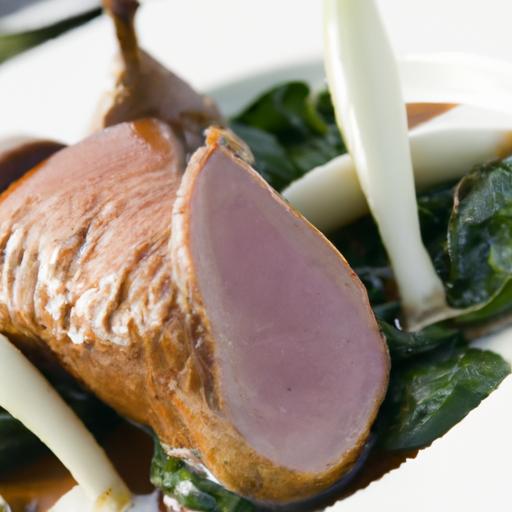
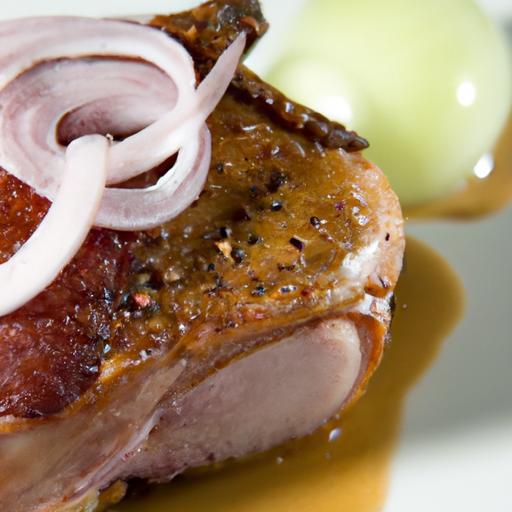

Ther’s an art to transforming a humble duck breast into a culinary masterpiece, and it begins with the perfect sear.Achieving that ideal balance of a crispy, golden skin paired with tender, juicy meat is a skill every home cook can master with the right technique and a touch of patience. Elevate this experience by pairing it with the sweet, caramelized bite of cipollini onions-small, delicate bulbs that melt beautifully in the pan and add depth to the dish. In this article, we’ll unravel the secrets behind mastering perfectly seared duck breast alongside luscious cipollini onions, guiding you step-by-step to impress at your next dinner table. Prepare to awaken your senses and turn a complex dish into your new signature.
Mastering Perfectly Seared Duck Breast with Cipollini Onions
Mastering perfectly seared duck breast with cipollini onions begins with thoughtfully selecting the ideal duck breast that promises maximum flavor and tender, juicy meat. This exquisite dish combines the richness of duck with the sweet, caramelized bite of cipollini onions, producing a harmony of textures and tastes that elevate any dining experience. Whether a special occasion or a gourmet weeknight dinner, this recipe invites you to bring restaurant-quality sophistication to your table with approachable techniques and stunning results.
Prep and Cook Time
- Readiness: 15 minutes
- Cooking: 20 minutes
- Total Time: 35 minutes
Yield
- Serves 2 generously
Difficulty Level
- Medium – perfect for keen home cooks wanting to increase their culinary skills
Ingredients
- 2 duck breasts (preferably fresh, skin-on, and about 6-7 oz each)
- 12 cipollini onions, peeled
- 2 tablespoons unsalted butter
- 1 tablespoon olive oil
- 2 teaspoons kosher salt
- 1 teaspoon freshly cracked black pepper
- 1 teaspoon fresh thyme leaves (optional)
- 1 tablespoon brown sugar (for caramelizing onions)
- 2 cloves garlic, lightly crushed
- 1/4 cup dry white wine or chicken stock (for deglazing)
Instructions
- select and Prepare Duck Breast: Choose breasts with a generous layer of fat and firm flesh for maximum flavor and tenderness. Pat dry thoroughly with paper towels to ensure crisp skin. Score the skin in a crosshatch pattern, being careful not to cut into the meat-this technique helps render fat evenly and crisps the skin beautifully.
- Season: Generously season both sides of the duck breasts with kosher salt and cracked black pepper.let them rest at room temperature for 10 minutes to absorb the seasoning.
- Caramelize Cipollini Onions: In a medium skillet, melt 1 tablespoon butter over medium heat. Add peeled cipollini onions and a pinch of salt. Cook, stirring occasionally, until onions start to soften and develop golden edges, about 8-10 minutes. Sprinkle 1 tablespoon brown sugar evenly over onions and continue to sauté until a rich, deep caramelization develops, approximately 5 more minutes. Add garlic cloves in the final minute for aromatic depth, then remove from the pan and set aside.
- Render and Sear Duck Breast: Heat a dry skillet over medium heat until hot. Place the duck breasts skin-side down-no oil needed as the fat will render. Slowly render the fat by pressing the duck breast lightly, cooking for around 8-10 minutes or until the skin is deeply golden and crispy. Flip the breasts, adding olive oil if pan is dry, and sear the meat side for 3-4 minutes until it develops a caramelized crust. Time depends on thickness; adjust to medium-rare (internal temp 135°F / 57°C).
- Rest: Remove duck breasts and let rest on a cutting board for 5 minutes. This ups tenderness and locks in juices.
- Deglaze and Finish Sauce: Using the same skillet, pour in 1/4 cup dry white wine or chicken stock, scraping up the fond to incorporate all those glorious brown bits. Let reduce slightly, then swirl in remaining butter for silkiness. Toss caramelized cipollini onions back into the pan to warm through and flavor meld.
- Plate and Serve: Slice the duck breast against the grain into medallions. Arrange over a bed of the caramelized cipollini onions and drizzle any pan sauce for an elegant presentation.
Tips for Success
- Choosing the Duck: Opt for fresh, skin-on breasts with thick fat layers to ensure crispiness and succulence. Frozen duck may lack the same texture.
- Skin Scoring: Use a sharp paring knife and shallow cuts to avoid drying out the meat or losing juices during cooking.
- Rendering Fat: Patience is key when rendering the duck fat. Low and slow on the skin side allows all that luscious fat to melt away gradually and crisp perfectly.
- Onion Caramelization: Avoid rushing this step; gradual low-heat cooking draws out sweetness without burning, resulting in rich flavor that complements the duck.
- Make-Ahead: you can caramelize cipollini onions a day ahead and gently reheat before serving to save time.
- Internal Temperature: Use an instant-read thermometer for precision-aim for 135°F for medium-rare or 140°F if preferred more cooked.
Serving Suggestions
Present slices of duck breast fanned over warm cipollini onions with a fresh thyme sprig as garnish. For a refined touch, serve alongside silky mashed potatoes or roasted root vegetables to balance richness. A glass of Pinot Noir or a light, fruity red perfectly complements the luscious flavors. Add a few drops of aged balsamic glaze to finish the plate visually and flavor-wise-a subtle acidity cuts through the richness beautifully.

| Nutrient | Per Serving |
|---|---|
| Calories | 470 kcal |
| Protein | 35 g |
| Carbohydrates | 12 g |
| Fats | 30 g |
For more on expertly cooking duck and elegant side pairing ideas, explore our Ultimate Duck Recipes Guide. When handling poultry, consult the USDA guidelines for safe cooking temperatures here.
Q&A
Q&A: Mastering Perfectly Seared Duck Breast with Cipollini Onions
Q1: What makes duck breast such a special ingredient to cook with?
A1: Duck breast is a luxurious cut prized for its rich, gamey flavor and succulent, tender meat. Unlike chicken or turkey, duck’s higher fat content renders beautifully, creating a crispy skin that contrasts perfectly with the juicy, pink meat beneath. It’s a culinary delight that feels indulgent yet approachable when prepared well.
Q2: Why pair duck breast with Cipollini onions?
A2: Cipollini onions are small, sweet, and mild, with a subtle caramelized character when cooked. Their natural sweetness balances the savory, earthy richness of duck breast, creating a harmonious duet on the plate. The onions also add texture contrast and a burst of flavor that elevates the entire dish.
Q3: What’s the secret to achieving the perfect sear on duck breast?
A3: Patience and technique are key. Start with scoring the skin gently without cutting into the meat to allow the fat to render evenly. Place the breast skin-side down in a cold pan-this encourages gradual fat rendering and an ultra-crisp skin. Maintain medium heat and resist the urge to move it around; let the skin brown slowly. Flip at just the right moment, and finish with a quick sear on the flesh side to seal in those luscious juices.
Q4: How do you avoid overcooking duck breast?
A4: Duck breast is best enjoyed medium-rare to medium because cooking it beyond that risks drying out the delicate meat. Use a meat thermometer to hit around 135°F (57°C) for medium-rare and remove the breast from heat shortly before reaching your target temperature-the residual heat will carry it to perfection during resting.Q5: What’s the ideal way to cook Cipollini onions alongside duck?
A5: Slowly caramelize Cipollini onions in a bit of butter and olive oil until they are golden and soft, coaxing out their natural sugars. You can finish them with a splash of balsamic vinegar or a touch of honey to deepen their sweetness, creating a luscious glaze that complements the crispy duck skin.
Q6: Can the rendered duck fat be used elsewhere in the recipe?
A6: Absolutely! Duck fat is a prized culinary treasure-savory, aromatic, and incredibly versatile. Use it to sauté the Cipollini onions for maximum flavor,roast vegetables,or even make crispy potatoes alongside your duck. It imparts a richness that few other fats can match.
Q7: what sides or garnishes best complement this dish?
A7: Crisp, peppery arugula salad or a smear of creamy parsnip purée spotlights the richness of the duck and sweet onions. Tart fruit elements-like a cherry or orange reduction-add brightness and a touch of acidity that cuts through the fat beautifully. Toasted nuts or fresh herbs offer texture and aromatic freshness, completing the plate.
Q8: How can a home cook elevate the visual appeal of this dish?
A8: Slice the duck breast against the grain into neat, thin medallions to show off its rosy interior and crispy skin. Nestle the caramelized Cipollini onions artistically alongside, and drizzle a glossy reduction or sauce to create a restaurant-worthy presentation. A sprinkle of microgreens or edible flowers adds a pop of color and elegance.Q9: what’s the biggest mistake to avoid when making this dish?
A9: The cardinal sin is rushing the sear or ignoring the resting period. High heat to soon leads to burnt skin but unrendered fat. cutting into the meat immediately lets precious juices escape, resulting in dryness. Slow, steady heat and a patient resting period after cooking are essential for that perfect balance of crispy exterior and juicy interior.
Q10: Any final tips for mastering this dish?
A10: Treat duck breast almost like a delicate work of art-respect its fat, handle it gently, and pair it thoughtfully with the sweet softness of Cipollini onions. Embrace the interplay of textures and flavors, and remember that practice makes perfect.With a little love and care, you’ll transform this classic combination into a memorable gourmet experience.
Key Takeaways
In the pursuit of culinary excellence, mastering the art of perfectly seared duck breast with caramelized cipollini onions transforms a simple dinner into a symphony of flavors and textures.From rendering the fat to achieving that ideal crispy skin,each step demands attention,patience,and a touch of intuition. Pairing the rich, succulent meat with the sweet bite of cipollini onions not only elevates the dish but also celebrates the harmonious relationship between ingredients. As you bring this recipe to your table,may you find that the true mastery lies not just in technique,but in savoring the rewarding journey-and the unforgettable taste-that follows.