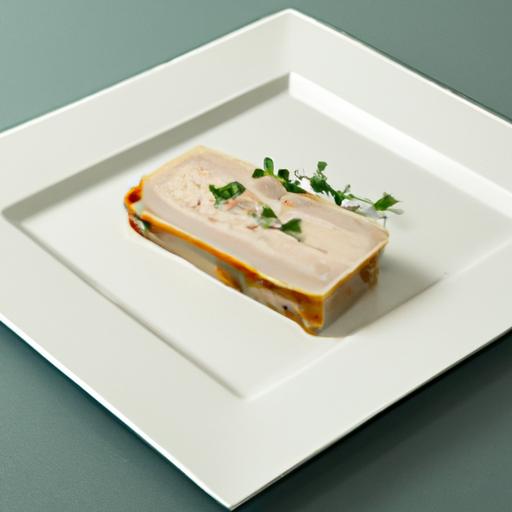
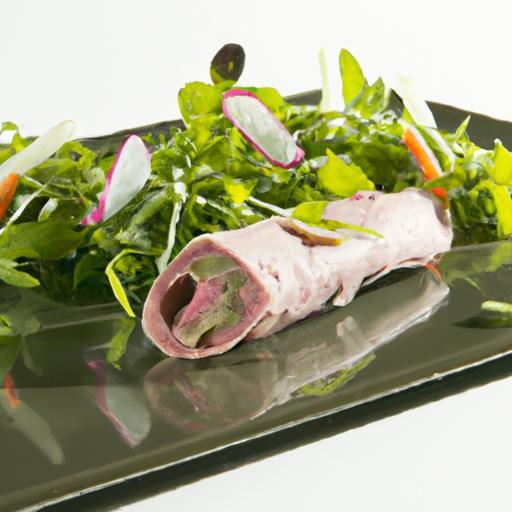

In the world of culinary creativity, leftovers often wear the cloak of blandness and monotony. But what if there was a way to breathe new life into yesterdayS meals, transforming them into dishes that rival their freshly cooked counterparts? Enter sous vide reheating-a technique that promises precision, flavor preservation, and that perfect texture every time.Whether you’re a busy professional, a meal-prep enthusiast, or simply someone who hates wasting food, mastering sous vide reheating tips can turn your fridge’s forgotten treasures into mouthwatering delights.join us as we dive into the art and science of reviving your leftovers, unlocking the full potential of this revolutionary cooking method.
Revive Your Leftovers using sous vide reheating is more than just a convenience-it’s a culinary technique that unlocks true potential in your previously cooked meals. Understanding how time, temperature, and preparation intertwine allows you to restore flavors and textures to a near-original state, transforming leftovers into something unusual. Whether you’re working with juicy meats, delicate fish, or hearty casseroles, mastering this method ensures every bite feels freshly prepared.
Prep and Cook Time
- Preparation: 5-10 minutes
- Sous Vide Reheating: 30-90 minutes depending on the food
Yield
Reheats 2-4 servings of leftovers, depending on portion size.
Difficulty Level
Medium – Requires an immersion circulator and some experience with vacuum sealing, but the results are well worth the effort.
Ingredients
- Leftover cooked proteins (e.g., 2 chicken breasts, 1 steak, or 4 salmon fillets)
- Vacuum seal bags or high-quality freezer bags
- Fresh herbs (optional, e.g., 2 sprigs thyme or rosemary)
- Butter or olive oil for finishing (1-2 tbsp)
- Salt and freshly ground black pepper to taste
- Lemon zest or garlic (optional for added flavor)
Instructions
- Prepare leftovers: Ensure your cooked leftovers are chilled properly-preferably refrigerated within two hours of initial cooking and stored in airtight containers.
- Set up your sous vide: Preheat water bath to the ideal reheating temperature based on your leftovers (see below).
- Bag the leftovers: Place your food in vacuum seal bags along with optional herbs or aromatics. Remove air using a vacuum sealer or water displacement method with freezer bags.
- temperature and time guide:
- Chicken breasts: 140°F (60°C) for 45 minutes to 1 hour to gently reheat without drying.
- Steak: 130°F (54°C) for 40 minutes for medium-rare warmth.
- Salmon: 120°F (49°C) for 30 minutes to maintain delicate texture.
- Vegetables: 183°F (84°C) for 45-60 minutes to rehydrate and heat through.
- Submerge bags: Clip the sealed bag to the side of the pot,ensuring fully submerged and water can circulate freely around the food.
- Cook and monitor: Let the sous vide gently heat your leftovers to the desired temperature, precisely preserving moisture and enhancing texture.
- Finish with a sear (optional): For meats, quickly pat dry and sear in a hot pan with butter or oil for 1-2 minutes per side to restore a flavorful crust.
- Serve immediately: Garnish with fresh herbs or citrus zest to brighten flavors and enhance the dish’s presentation.
Tips for Success
- Use sous vide-safe bags to prevent leaching or leaks during heating.
- Don’t overheat-low and slow is key for reviving texture without further cooking.
- Pre-portion leftovers before freezing for faster and even reheating.
- For crusty foods like fried chicken, try reheating sous vide then finishing under a broiler or in an air fryer for crispiness.
- Consider adding a splash of broth or marinade inside the bag to amplify flavor during reheating.
Serving Suggestions
Plate your rejuvenated leftovers with vibrant sides such as roasted seasonal vegetables, a fresh microgreen salad, or a dollop of tangy sauce like chimichurri or lemon aioli. A sprinkle of toasted nuts or crunchy seeds adds texture contrast, while a final drizzle of high-quality extra virgin olive oil infuses richness. Elegant plating and complementary garnishes elevate repurposed dishes to restaurant-worthy fare.

| Nutrient | Per serving |
|---|---|
| Calories | 250-350 (varies by protein) |
| Protein | 25-30g |
| Carbohydrates | 2-5g |
| Fat | 10-15g |
For those keen to dive deeper into the science of sous vide, Serious Eats offers a fantastic breakdown on the technique’s principles and benefits.
To explore more tips and recipes for smart food storage and reheating strategies, check out our complete guide to leftover storage and preservation.
Q&A
Q&A: Revive Your Leftovers – Mastering Sous Vide Reheating Tips
Q1: What makes sous vide the ultimate method for reheating leftovers?
A1: Unlike traditional reheating that can dry out or overcook your food, sous vide uses precise, low-temperature water baths to gently warm leftovers evenly from edge to center. This technique preserves moisture, texture, and flavor, almost as if your meal just came off the stove or out of the oven.
Q2: Can I reheat any type of leftover using sous vide?
A2: Almost! Proteins like steak,chicken,or fish respond beautifully,retaining tenderness and juiciness. Pasta, vegetables, and even soups reheat evenly without becoming mushy or rubbery. Though,crispy items may lose their crunch,so you might want to finish those under a broiler or in a hot pan after sous vide.
Q3: What temperature should I set my sous vide for reheating?
A3: Generally, reheating temperatures range from 130°F to 140°F (54°C to 60°C), depending on the dish. For delicate proteins, stick closer to 130°F to preserve texture.Heartier leftovers can handle up to 140°F. The key: don’t “cook” the food further-just bring it back to serving temperature.
Q4: How long does sous vide reheating take?
A4: Time varies by thickness and type, but typically 30 to 60 minutes suffices. For thinner leftovers like a chicken breast or a portion of pasta, 30 minutes is enough. Denser or larger portions may need up to an hour. As sous vide reheats gently, leaving food in slightly longer won’t harm it-just avoid over-filling your water bath to maintain temperature.
Q5: Should leftovers be vacuum-sealed before sous vide reheating?
A5: Vacuum sealing is ideal-it prevents water from seeping in, retains juices, and allows even heating. If you don’t have a vacuum sealer,use heavy-duty,zip-top freezer bags and the water displacement method to remove as much air as possible. Proper sealing ensures your food steams perfectly rather than getting soggy.
Q6: how do I maintain food safety when sous vide reheating leftovers?
A6: Use your fridge-cold leftovers promptly and reheat within 2 days of storage. Sous vide applies steady heat, typically holding food above 130°F, which minimizes bacterial risks. Still, avoid reheating frozen leftovers directly-thaw them first in the fridge for best results.
Q7: Can I revive crunchy textures after sous vide reheating?
A7: Absolutely! Since sous vide softens crispy exteriors, give your leftovers a fast finishing touch after reheating. A hot skillet, broiler, or air fryer blast can bring back that irresistible crunch-think crispy skin on chicken or golden edges on roasted veggies.
Q8: Any creative tips for elevating reheated leftovers sous vide-style?
A8: Treat leftover reheating like a culinary reset button.Infuse sauces, fresh herbs, or citrus zest into the bag before sealing for a flavor boost. Alternatively, use a flavored broth or stock as the reheating medium (sealed with your food) to amplify depth. Think sous vide remix!
Q9: What kitchen tools make sous vide reheating easier?
A9: Aside from your trusty immersion circulator, invest in vacuum sealers or heavy-duty freezer bags with clips to keep seals watertight. A deep container that fits your water bath comfortably and a set-it-and-forget-it mindset will ensure stress-free reheating.
Q10: Is sous vide reheating worth the extra step?
A10: If you care about flavor, texture, and wiping away the guilt of “meh” leftovers, sous vide transforms yesterday’s meals into today’s delights. It’s more than reheating-it’s culinary resurrection with a precision twist. Save your taste buds and savor every bite, no matter when it was cooked.
to sum up
As you embark on your journey to breathe new life into yesterday’s meals, remember that mastering sous vide reheating isn’t just about convenience-it’s a culinary art form. With precise temperature control and gentle warmth,you can transform leftovers from lackluster to luscious,preserving flavor,texture,and moisture like a pro chef.So, next time your fridge holds a second chance, embrace the sous vide method and watch your leftovers rise to delicious new heights. After all, great cooking isn’t just about what’s fresh off the stove-it’s about giving every bite the attention it deserves. Happy reheating!