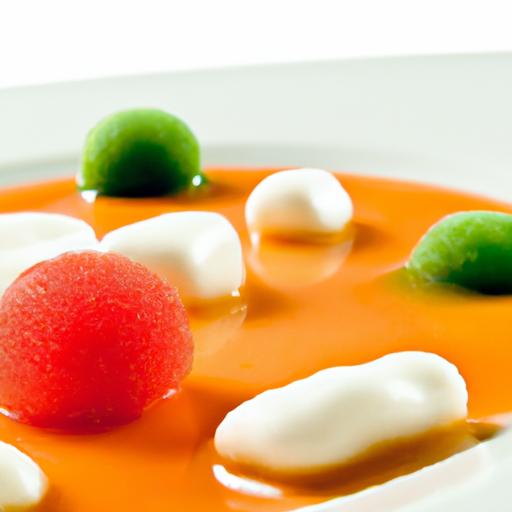
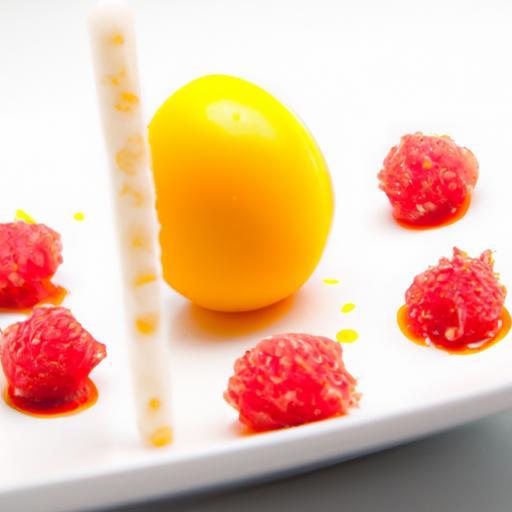

In the ever-evolving world of culinary arts, innovation often lies at the intersection of science and creativity. One of the most captivating techniques to emerge from this fusion is spherification-a mesmerizing process that transforms ordinary liquids into delicate, flavorful spheres bursting with taste and texture.Mastering spherification is not just about understanding the chemistry behind it; it’s about embracing the artistry of flavor encapsulation, elevating dishes from mere sustenance to unforgettable sensory experiences. In this article, we’ll delve into the art and science of creating these enchanting edible orbs, uncovering tips, tricks, and inspirations to help chefs and food enthusiasts alike turn their plates into canvases of playful sophistication.
Mastering spherification unlocks a fascinating world where science meets gastronomy, transforming simple liquids into captivating spheres that burst with flavor. This modernist technique, inspired by molecular gastronomy pioneers like Ferran Adrià, allows chefs and home cooks alike to reinvent textures and presentations, elevating culinary artistry to new heights.
Prep and Cook Time
- planning Time: 20 minutes
- Setting time: 15-30 minutes
- total Time: Approximately 45 minutes
Yield
About 40-50 flavorful spheres, depending on the size of your droplets.
Difficulty level
Medium - requires precision but highly rewarding with practice.
Ingredients
- Calcium Bath: 1 gram calcium chloride (CaCl2)
- Water: 500 ml filtered water (divided between calcium bath and rinse)
- flavor Base: 200 ml fresh fruit juice (e.g., mango, passion fruit, or beetroot for vibrant hues)
- Sodium Alginate: 2 grams high-quality sodium alginate powder
- optional: edible glitter or fresh microgreens for garnish
Essential Tools
- Digital kitchen scale (accuracy to 0.01 g)
- Hand blender or immersion blender
- Two medium-sized bowls or containers
- Small spoon or syringe for droplet formation
- Fine mesh strainer
- Slotted spoon
- pH metre or test strips (optional but helpful)
Instructions
- Prepare the Calcium bath: Dissolve 1 gram of calcium chloride in 250 ml of filtered water. Stir until fully dissolved. This solution acts as the setting bath initiating sphere formation.
- Create the Sodium Alginate Mixture: Combine 200 ml of your chosen fresh fruit juice with 2 grams of sodium alginate. Use a hand blender to mix thoroughly until the solution is smooth with no lumps. Let rest for 15 minutes to remove air bubbles.
- Test Consistency: The sodium alginate solution should be slightly viscous. If too thick, dilute with a little juice or water to achieve a smooth flow for droplet formation.
- Form the Spheres: Using a small spoon or syringe, gently drop the alginate-juice mixture into the calcium bath. The calcium ions will react with the sodium alginate, instantly creating a delicate gel membrane around the liquid core.
- Set the Spheres: Let the spheres sit in the calcium bath for 1-3 minutes, depending on your desired membrane thickness. shorter times yield thin walls with a liquid center; longer exposure creates firmer spheres.
- Rinse the Spheres: Carefully remove spheres using a slotted spoon and transfer to a bowl of clean filtered water. Rinse gently to remove excess calcium,preventing bitterness.
- Serve or Store: Use spheres promptly for peak texture or keep refrigerated in fresh juice for up to 2 hours.
Tips for Success
- Ensure all liquids are free of pulp or solids to prevent uneven sphere formation.
- Use fresh, high-quality juices for vibrant flavor and color; avoid preservatives that can interfere with gelling.
- If spheres fail to form, check calcium bath concentration and sodium alginate mixture viscosity.
- Experiment with different liquids and even savory bases like tomato juice or cold soups for creative twists.
- Maintain a steady droplet height (~2-3 inches) for uniform spheres.
- For reverse spherification, switch roles: calcium in the flavored liquid and sodium alginate in the bath (ideal for dairy or alcohol-based liquids).
Serving Suggestions
Present these flavorful spheres on minimalist white plates or obvious glasses to showcase their jewel-like appearance. Serve as a refreshing amuse-bouche, atop creamy panna cotta, or floating in cocktails for a surprising burst of taste.Garnish with tiny edible flowers,microgreens,or a dusting of citrus zest to add color contrast and aromatic complexity.
| nutrient | Per 10 Spheres |
|---|---|
| Calories | 30 |
| protein | 0.3 g |
| Carbohydrates | 7 g |
| Fat | 0 g |
For those eager to deepen their understanding, exploring Serious eats’ molecular gastronomy guide offers excellent scientific insight. Additionally, check out our internal article on Modernist Cooking Techniques to expand your creative palate.

Q&A
Q&A: Mastering Spherification – the Art of Flavorful Spheres
Q1: What exactly is spherification, and why has it captured the inventiveness of chefs worldwide?
A1: Spherification is a culinary technique that transforms flavorful liquids into delicate, gel-like spheres with liquid centers-think edible pearls bursting with taste. This method elevates the dining experience by turning ordinary flavors into playful, tactile surprises.Chefs love it because it blends science and artistry, allowing them to reinvent textures and presentations that dazzle the senses.
Q2: how does the spherification process work on a scientific level?
A2: At its core, spherification relies on a chemical reaction between sodium alginate (a seaweed-derived gelling agent) and calcium ions. When a liquid mixed with sodium alginate is dropped into a calcium bath, a thin gel membrane forms instantly around the drop’s surface. This membrane traps the liquid inside, creating a sphere that looks like a tiny orb but bursts with flavor upon biting.
Q3: What are the basic ingredients needed to start spherifying at home or in a professional kitchen?
A3: To begin your spherification journey, you’ll need two main components:
- Sodium alginate: dissolved into your flavored liquid to create the spheres.
- Calcium chloride or calcium lactate: made into a water bath to react with the sodium alginate and form the gel membrane.
Beyond these, all you need is a syringe or spoon for dropping liquids and patience to perfect your technique.
Q4: What are the differences between basic (direct) and reverse spherification?
A4: Direct spherification involves adding a sodium alginate mixture into a calcium bath, ideal for liquids low in calcium and used when spheres will be served immediately. however, the spheres continue to gel inward over time, making them less ideal for storage. Reverse spherification flips the process-calcium is present in the flavored liquid,which is dropped into a sodium alginate bath. This method creates spheres with longer shelf life and is perfect for calcium-rich liquids or when preparing spheres in advance.
Q5: How can chefs experiment creatively with spherification?
A5: The beauty of spherification lies in its versatility. Chefs can blend unusual flavors-think basil-infused olive oil spheres or cold-brew coffee pearls-to surprise and delight. Play with color, opacity, and size to match your dish’s aesthetics. You might even spherify savory broths, cocktails, or dessert sauces.The only limit is imagination-and a touch of kitchen alchemy!
Q6: What are common pitfalls beginners should watch out for?
A6: Precision is everything. Common mistakes include using liquids with too high calcium content in direct spherification or incorrect alginate and calcium concentrations that prevent proper gelation. Another pitfall is timing-waiting too long before rinsing spheres can cause them to over-gel or merge. Testing small batches and keeping detailed notes will guide you toward consistent success.
Q7: How does mastering spherification enhance the overall dining experience?
A7: Spherification turns eating into an interactive adventure. The unexpected “pop” when biting into a sphere surprises and engages the diner.Visually, it adds a modern, elegant touch that elevates plating. More than just gimmickry, it offers new layers of texture and flavor delivery-making every bite memorable and playful. In essence, it’s where molecular gastronomy meets pure culinary joy.
Embrace the art of spherification, and watch your flavors not just dance on the palate-but explode in a symphony of taste and wonder.
In Retrospect
As you embark on your own spherification adventures,remember that this culinary art is as much about patience and precision as it is about creativity and play. Mastering spherification opens a door to a world where flavors burst with every bite, textures dance on the palate, and presentation becomes a captivating story. Whether you’re crafting delicate pearls to accentuate a cocktail or bold spheres to surprise diners, the true magic lies in transforming simple liquids into unusual experiences. So, gather your ingredients, embrace the science, and let your imagination shape flavorful spheres that delight both the eyes and the taste buds-because in the art of spherification, innovation is the ultimate ingredient.