
In the realm where gastronomy meets chemistry, a mesmerizing technique transforms ordinary liquids into captivating spheres that burst with flavor and intrigue. Welcome to the art and science of spherification – a culinary innovation that crafts delicate pearls, encapsulating essence and surprise in every bite. Whether adorning a elegant cocktail or elevating a dessert to avant-garde status,mastering spherification invites chefs and food enthusiasts alike to explore the sublime dance between texture,taste,and technique. This article dives deep into the secrets behind these edible orbs, unraveling the chemistry, exploring creative applications, and guiding you step-by-step on the journey to mastering the enchanting craft of culinary pearls.
Understanding the Chemistry Behind Perfect Spherification
Mastering Spherification is a journey into the fascinating intersection of chemistry and culinary creativity.At its core, spherification relies on a chemical reaction between calcium ions and sodium alginate-a natural gelling agent extracted from seaweed. When a flavored liquid containing sodium alginate meets a calcium-rich bath, a delicate gel membrane forms instantly, encapsulating the liquid into a delicate sphere. This thin gel layer preserves the burst of flavor inside, offering an experience that’s both playful and sophisticated.
This molecular reaction is influenced by factors such as pH level, temperature, and ingredient composition, all contributing to the stability and texture of your spheres. Understanding this science empowers you to control the thickness of the gel and create pearls that delight the palate while holding their shape flawlessly.
Selecting Ingredients for Flavorful and Stable culinary Pearls
Ingredient choice is paramount when mastering spherification. Start with a brightly flavored, smooth liquid free from large particulates to ensure the gel membrane forms evenly. Juices like passion fruit, mango, or cucumber work wonders, but the liquid must be low in calcium to prevent premature gelation. For reverse spherification, the liquid must contain calcium or be fortified with calcium lactate.
- Sodium alginate: Use a high-quality powder; this is essential for the gel’s elasticity and strength.
- Calcium lactate or calcium chloride: Calcium lactate is preferred for taste and texture; calcium chloride can be used but may impart a bitter flavor.
- Flavor bases: Pure juices, infused waters, cocktails, or sauces can be spherified to revolutionize your presentations.
- Water: Use distilled or filtered water to avoid impurities that can disrupt the gelation process.
Step by Step Techniques to Achieve Flawless Texture and Shape
- Prepare the sodium alginate solution: Blend 1g of sodium alginate per 100ml of your chosen liquid using an immersion blender. Let it rest for 1 hour to eliminate bubbles for a smooth texture.
- Mix the calcium bath: Dissolve 5g of calcium lactate in 500ml of cold distilled water. Stir well until fully dissolved to create an even calcium bath.
- Spherify with care: Using a precise spoon or syringe, drip the alginate mixture gently into the calcium bath. Let spheres form for 1-2 minutes to develop a thin membrane.
- Rinse and transfer: Remove the spheres using a slotted spoon and rinse briefly in a clean water bath to remove excess calcium and stop further gelling.
- Store properly: Keep spheres submerged in water or the original liquid until serving to maintain their perfect shape and texture.
- Experiment with timing: Shorter immersion yields a delicate skin; longer leads to a firmer, more gel-like shell.
Innovative Applications and Presentation Ideas for spherified Creations
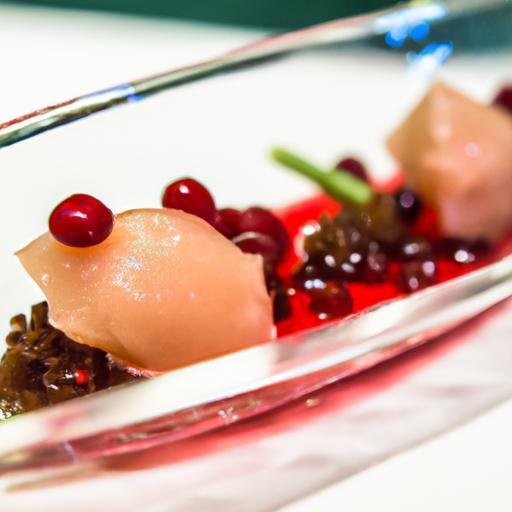
Elevate your culinary creations by incorporating spherified pearls into a range of dishes that surprise and delight. Imagine vibrant fruit caviar pearls atop a creamy panna cotta, or smoky cocktail spheres that burst in the mouth when served in a stylish glass. Use savory pearls filled with infused oils to add luxurious notes to salads or plated starters. for desserts, layer translucent spheres with mousse and edible flowers for an ethereal effect.
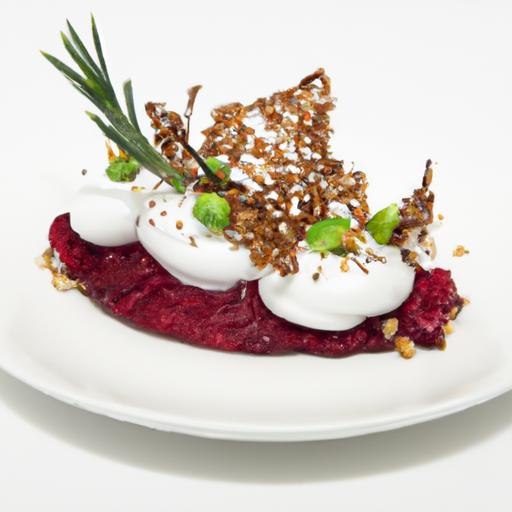
Presentation-wise, serve pearls on contrasting textures-dark slate plates, crystalline spoons, or miniature porcelain bowls enhance the visual drama. Add micro herbs, edible gold leaf, or a dusting of finely crushed freeze-dried fruits for a sophisticated finish. These pearls don’t just add flavor; they introduce a tactile dimension and visual intrigue that revive any dish.
Prep and Cook Time
- Readiness: 1 hour 15 minutes (includes resting time)
- Cook Time: 10 minutes
Yield
Yields approximately 40-50 medium-sized spheres depending on liquid viscosity and droplet size.
Difficulty Level
Medium – Requires precision and practise but highly rewarding once mastered.
ingredients
- 100 ml fresh passion fruit juice, strained
- 1 g sodium alginate powder
- 5 g calcium lactate powder
- 500 ml distilled water
- Optional: 1 tsp sugar or simple syrup (to enhance sweetness)
Instructions
- blend the alginate: Combine passion fruit juice with sodium alginate in a blender. Mix for 2 minutes until fully incorporated.Rest for 1 hour to remove air bubbles.Use a fine mesh if needed to strain burrs.
- Prepare the calcium bath: Dissolve calcium lactate in cold distilled water fully, stirring occasionally to avoid undissolved clumps.
- Create spheres: Using a syringe or teaspoon, gently drop juice-alginate mixture into the calcium bath. Allow spheres to form a thin gel coat for 1-2 minutes, depending on desired texture.
- Rinse spheres: Remove pearls with a slotted spoon and rinse in a clean bowl of filtered water to stop gelation and prevent overly thick skins.
- Serve quickly or store: Keep spheres submerged in a water bath until serving. If storing, no longer then 1 hour for best texture.
Chef’s Notes
- Variation: Try reverse spherification with calcium-rich liquids such as vegetable juices or cocktails by dropping them into an alginate bath for different textures.
- Substitutions: Use calcium chloride instead of calcium lactate for a firmer shell, but beware of a slight bitterness.
- Troubleshooting: If spheres don’t form, check water purity and ingredient ratios. Too much calcium in the juice leads to clumping before dripping.
- Make-ahead: Prepare spheres up to 1 hour ahead and keep refrigerated in a neutral water bath to maintain shape and flavor.
Serving Suggestions
Present your spherified passion fruit pearls atop a dollop of chilled coconut panna cotta, garnished with mint leaves and edible flowers for a tropical extravaganza. Alternatively,add bursts of acidity and color on a plate of grilled seafood or include pearls in a sparkling cocktail glass rimmed with citrus zest to surprise guests.
| Nutrient | Per 10 Pearls |
|---|---|
| Calories | 25 kcal |
| Protein | 0.1 g |
| Carbohydrates | 6 g |
| Fat | 0 g |

For further inspiration on molecular gastronomy, explore our molecular gastronomy techniques guide or visit the Science Daily article on alginate chemistry for an in-depth scientific perspective.
Q&A
Q&A: Mastering Spherification – The Art and Science of Culinary Pearls
Q1: What exactly is spherification,and why is it considered a culinary marvel?
A1: Spherification is a molecular gastronomy technique that transforms liquids into delicate spheres that burst with flavor when eaten. Imagine encapsulating a vibrant fruit juice, cocktail, or even a savory broth inside a thin, gel-like membrane-each tiny pearl becomes an explosion of taste and surprise. This culinary marvel brings science to the table and elevates dining into an interactive sensory experience.Q2: How does the spherification process work on a scientific level?
A2: At its core, spherification harnesses the magical reaction between sodium alginate-a natural gelling agent extracted from seaweed-and calcium ions. When a liquid mixed with sodium alginate comes into contact with a calcium-rich bath, calcium ions replace sodium ions, causing the alginate molecules to cross-link and form a gelatinous skin. This creates a delicate sphere that holds liquid inside, balancing the boundary between solid and liquid states.Q3: What are the main types of spherification, and how do they differ?
A3: There are two primary techniques: basic (or direct) spherification and reverse spherification. Basic spherification involves dropping alginate-infused liquid into a calcium bath, perfect for juices and beverages.Though, the spheres continue to gel from the outside in, so they’re best consumed shortly after preparation.reverse spherification flips this-dropping calcium-rich liquid into an alginate bath-yielding longer-lasting spheres ideal for dairy, alcohol, or liquids with calcium content.
Q4: What tools and ingredients are essential for mastering spherification?
A4: To embark on this culinary adventure,an excited cook will need: sodium alginate,calcium chloride or calcium lactate (depending on the method),precision scales for measuring,immersion blender for mixing,syringes or spoons for shaping spheres,and a fine mesh strainer to rinse the pearls. Patience and practice are just as essential-precision is key when chemistry meets creativity.Q5: Are there any tips for perfecting the texture and appearance of spherified pearls?
A5: Absolutely! First, ensure your liquids are free of pulp or particles to create smooth spheres. Adjusting the concentration of alginate and calcium changes the firmness-the more calcium, the thicker the membrane; the more alginate, the stronger the gel.Gentle stirring prevents fragile spheres from bursting, and rinsing pearls in clean water removes any bitter calcium residue. Experimenting with size also adds elegance: smaller pearls offer a caviar-like effect, while larger spheres make dramatic statements on the plate.
Q6: how can spherification enhance the dining experience creatively?
A6: Beyond technique, spherification invites chefs and home cooks alike to rethink flavor delivery. Encapsulated bursts challenge the eater’s expectations-imagine a cocktail served as shimmering pearls or a soup dotted with savory spheres that melt in your mouth. The visual allure pairs with textural delight, encouraging playful presentation and storytelling on the plate. It’s where artistry and science mingle to surprise and delight.
Q7: Are there any common pitfalls beginners should avoid?
A7: The most frequent missteps involve measurement errors, timing, and ingredient compatibility. Using too much calcium or alginate can create rubbery,overly firm spheres. Not rinsing spheres thoroughly may leave an unpleasant taste. also, acidic liquids might interfere with the gelling reaction-adjusting pH with additives like calcium lactate gluconate can definitely help. patience is crucial; rushing the process frequently enough leads to misshapen or fragile pearls.
Q8: Where can I go from here to further explore spherification and molecular gastronomy?
A8: Once pleasant with basics, dive into hybrid techniques like frozen spherification, layering flavors inside spheres, or combining spherification with other textural manipulations such as foams or gels. Reading seminal works by chefs like ferran Adrià or Harold McGee provides deeper insight. Workshops, culinary schools, and specialty ingredient suppliers offer hands-on experiences to push the boundaries of edible science. The world of molecular gastronomy invites endless creativity-your kitchen is the lab.
Mastering spherification bridges art and science, turning everyday liquids into edible pearls that enchant the eye and palate. Step into this vibrant world, and let your culinary creations burst with magic.
In Conclusion
As we conclude our journey through the captivating world of spherification, it becomes clear that this technique is much more than a mere culinary trick-it is a harmonious blend of art and science, precision and creativity. Mastering spherification opens doors to endless possibilities, transforming everyday flavors into enchanting pearls that burst with surprise and delight. Whether you’re a seasoned chef or a curious home cook, embracing this craft invites you to experiment boldly, push boundaries, and elevate your dishes to new sensory heights.So, gather your ingredients, don your apron, and let the magic of molecular gastronomy inspire your next edible masterpiece-becuase with spherification, the only limit is your imagination.