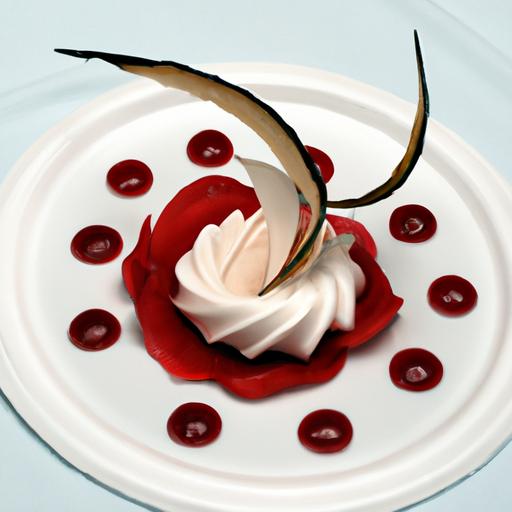
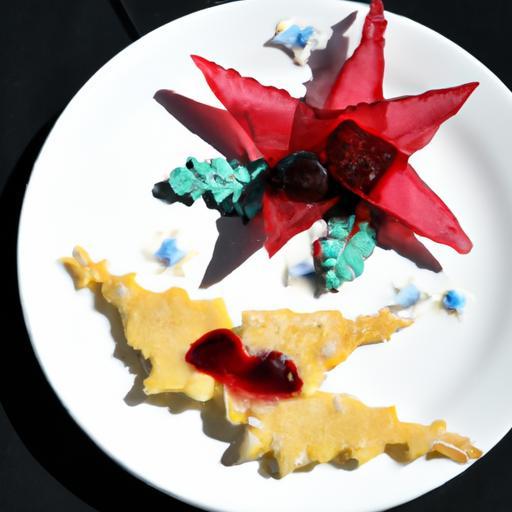

In the dazzling world where culinary craftsmanship meets architectural genius, sugar transforms from simple sweetener into an exceptional sculptural medium. “Sweet Architecture: Exploring the Art of Sugar Cages & Spirals” invites you to step behind the scenes of haute patisserie, where delicate strands twist into shimmering spirals and intricate cages arch like edible cathedrals. This mesmerizing art form, blending chemistry, precision, and inventiveness, elevates dessert plating into a visual symphony of light and shadow. Join us as we uncover the secrets, techniques, and creative inspirations behind these ephemeral sugar masterpieces that captivate both the eye and the palate.
Sweet Architecture: Foundations of Sugar Sculpting techniques & Essential Tools
Sweet Architecture invites you into the dazzling world of sugar art, where crystalline elegance meets culinary creativity.The tantalizing allure of sugar cages and spirals has fascinated pastry chefs and food stylists alike, making desserts not only mesmerizing to the palate but breathtaking to behold. Drawing inspiration from European patisserie traditions and modernist dessert design, this guide uncovers the intricate craft of sugar sculpting-transforming simple sugar into edible masterpieces that elevate any dessert presentation.
Prep and Cook Time
- Readiness: 30 minutes
- Cooking: 20 minutes
- Total Time: 50 minutes
Yield
- Enough sugar cages and spirals to decorate 4 to 6 plated desserts
Difficulty Level
- Advanced (requires precision and practice)
Ingredients
- 2 cups granulated sugar
- 2/3 cup water
- 2 tbsp light corn syrup (prevents crystallization)
- Optional: a few drops of food coloring (for tinted sugar designs)
- Cooking spray or vegetable oil (for greasing molds and tools)
- Cold water (for temperature control and cooling)
Essential Tools Needed
- Heavy-bottomed saucepan for even sugar heating
- Digital candy thermometer (critical for perfect caramelization)
- Silicone baking mats and parchment paper
- Metal or heatproof silicone spatulas
- Heat-resistant gloves (for safe handling)
- Various sugar cage molds or oversized mixing bowls (to create structured shapes)
- Metal whisk or fork for making sugar spirals
- Wire rack or a tall bottle (to anchor spirals)
Instructions: Mastering Sugar Cages & Spirals
- Prepare your work station: Lightly grease your sugar cage molds with cooking spray or vegetable oil and set them on a stable surface. Place silicone mats or parchment paper ready to catch any drips or loose sugar later.
- Cook the sugar syrup: Combine the granulated sugar, water, and corn syrup in your heavy-bottomed saucepan. Stir gently to dissolve the sugar before heating. Attach your candy thermometer and bring the mixture to a boil over medium heat without stirring. Allow it to reach the hard crack stage (300°F/149°C) for strong,clear sugar.
- Add color (optional): At this stage, you can carefully stir in a few drops of food coloring, but avoid over-stirring to prevent crystal formation.
- Creating sugar cages: Immediately pour the molten sugar onto your greased molds or gently ladle thin strands onto the edges of a heatproof bowl to form cage-like arcs while the sugar is still pliable. Move quickly; sugar hardens within seconds!
- Sculpt and cool: Use a silicone spatula to smooth edges if necessary and allow your cages to cool fully at room temperature. Once hardened, carefully release them from the molds.
- Making sugar spirals: Pour a small amount of hot sugar into a heatproof bowl. Using a whisk or fork, flick thin threads of sugar onto a greased surface or around a tall bottle to cool. For classic spirals, swiftly twirl the threads in circular movements while they are semi-fluid, achieving dramatic curls.
- Set and assemble: Let all sugar structures rest untouched until they reach room temperature and attain a glass-like finish. Store in airtight containers away from humidity until use.
Tips for Success: Elevate Your Sweet Architecture
- Use pure granulated sugar: Avoid powdered sugar or brown sugar-clarity and strength come from pure crystals.
- Control temperature precisely: The candy thermometer is indispensable. Undercooked sugar is sticky and brittle; overcooked sugar burns and darkens undesirably.
- Humidity is your enemy: Work on a dry day or air-conditioned room, as moisture causes sugar to weep and lose shine.
- Practice timing: Sugar hardens quickly-have molds and tools ready before heating begins.
- To soften hardened sugar: Place briefly in a warm oven (not exceeding 200°F/93°C) or steam lightly to restore pliability before shaping.
- Experiment with color: Incorporate edible gold dust or pearlized powder over your finished pieces for luxurious effects.
Serving Suggestions
Use your handcrafted cages to encase mousse domes, panna cotta, or mini cakes for an awe-inspiring presentation. Spirals work beautifully as vertical accents on plated desserts, adding height and whimsy. Garnish with fresh berries, edible flowers, or silken ribbons of chocolate for dimensional contrast.The interplay of transparent sugar with velvety textures lends a dramatic, contemporary gallery-worthy aesthetic to your sweet creations.
| Nutritional Information per sugar cage or spiral piece |
Calories | Protein | Carbs | Fat |
|---|---|---|---|---|
| Energy | 120 kcal | 0 g | 30 g | 0 g |
| Sugar | 30 g | 0 g | 30 g | 0 g |
Explore more dessert decorating tips to continue refining your pastry artistry.
Discover detailed sugar science and advanced techniques from CandyStore.com-a trusted resource for confectionery artisans worldwide.

Q&A
Q&A: Sweet Architecture – Exploring the Art of Sugar Cages & Spirals
Q1: What exactly are sugar cages and spirals in the world of pastry arts?
A1: Sugar cages and spirals are edible sculptures crafted from caramelized sugar, often used as breathtaking decorative elements atop desserts. Sugar cages resemble delicate, lattice-like frameworks that encase or crown cakes, while sugar spirals twist and curl gracefully, adding a dynamic flourish. Both forms showcase the marriage of culinary skill and artistic expression, transforming sugar into intricate, almost architectural masterpieces.
Q2: how do pastry chefs create these ethereal sugar structures?
A2: The process begins by melting sugar until it reaches the perfect amber hue. Then, working quickly yet precisely, chefs pull, spin, and pipe the molten sugar onto molds or parchment to form cages or coil it into spirals. Temperature control and timing are critical as sugar hardens rapidly. Some artists also use tools like whisks, forks, or even their hands (protected by heat-resistant gloves) to shape the sugar before it crystallizes into a translucent shell.
Q3: Why are sugar cages and spirals considered a form of ‘sweet architecture’?
A3: These structures embody principles of architecture-balance, form, and space-while elevating a humble ingredient into a sculptural medium. Like architects drafting blueprints, pastry artists conceptualize designs that are both aesthetically pleasing and structurally sound, despite the fragility of sugar. The resulting cages and spirals create a visual dialog between delicacy and strength, openness and shadow, function and art.
Q4: Can sugar cages and spirals enhance the flavor of a dessert, or are they purely decorative?
A4: Primarily, they serve as visual statements that captivate the eye and amplify the overall dessert experience. Though, as they’re made from caramelized sugar, they add a subtle crunch and a nuanced sweetness that can complement the flavors beneath. When paired thoughtfully,the slight bitterness of caramelization can contrast beautifully with creamy mousses or tart fruits,elevating taste alongside aesthetics.
Q5: Are there any challenges or risks involved when working with sugar for these designs?
A5: Absolutely! Sugar’s temperamental nature demands respect: it burns easily, hardens swiftly, and is unforgiving to mistakes. Managing the right temperature is crucial-to hot,it smokes; too cool,it won’t stretch.Additionally, humidity can cause sugar to become sticky or lose its crispness. The artist’s patience and dexterity are vital to transforming liquid sugar into fragile, elegant cages or spirals without cracks or breaks.Q6: How has the art of sugar cages and spirals evolved over time?
A6: Originating centuries ago in European haute cuisine, sugar artistry has transcended from simple figurines and spun sugar nests to complex contemporary designs inspired by modern art and architecture. Advances in culinary technology and a global exchange of techniques have enriched this craft, pushing pastry chefs to innovate with shapes, colors, and combinations-sometimes even incorporating edible gold leaf or infusing flavors into the sugar itself, creating multi-sensory masterpieces.
Q7: Where can dessert lovers experience or learn more about sugar cage and spiral artistry?
A7: Gourmet patisseries, high-end restaurants, and pastry competitions are prime venues showcasing these stunning sugar sculptures.for the curious, many culinary schools and workshops offer hands-on classes where aspiring chefs can learn the basics. Online platforms, culinary documentaries, and books dedicated to sugar art also provide inspiring insights into this sweet form of architectural expression.Q8: What makes sugar cages and spirals so captivating to both creators and audiences?
A8: There’s a magical alchemy in watching granulated sugar transform into luminous, delicate structures that defy gravity.For creators, it’s the thrill of blending precision with creativity, mastering a fickle medium to craft something both ephemeral and exquisite. For audiences, sugar cages and spirals evoke wonder-a fleeting glimpse of beauty that’s as delicate and transient as a fine piece of architecture made of light. In this sweet architecture, art meets science, and dessert becomes dream.
Future Outlook
As we peel back the layers of sweet architecture, the delicate sugar cages and spirals emerge not merely as edible decorations, but as intricate works of art-where chemistry meets creativity and craftsmanship dances with ephemeral beauty. These translucent sculptures, born from the alchemy of heat and sugar, invite us to savor both their aesthetic elegance and the mastery behind their creation. Whether adorning a lavish cake or standing as a centerpiece of confectionery innovation, sugar cages and spirals remind us that even the sweetest designs can captivate our imagination, one crystalline strand at a time. In the world of pâtisserie, sugar is not just an ingredient-it is indeed the finest medium for architectural marvels that delight the eyes as much as the palate.