
Imagine a condiment that instantly transforms ordinary meals into vibrant mediterranean feasts-welcome to the world of zesty tapenade. This delightful olive and caper blend is more than just a spread; it’s a bold celebration of savory, briny, and tangy flavors that dance on your palate. Whether slathered on crusty bread, dolloped atop fresh grilled fish, or stirred into pasta, tapenade adds an irresistible punch that elevates every dish it touches. In this article, we’ll dive into the art of crafting the perfect olive and caper tapenade, unlocking the secrets to achieving that flawless balance of zest and depth that will make your culinary creations sing.
Zesty tapenade is a vibrantly bold and versatile condiment that originates from the sun-kissed Mediterranean coast, where olives and capers have long been celebrated for their punchy, savory flavors. Crafting this classic olive and caper recipe to elevate dishes is both an art and a joy, allowing you to achieve the perfect harmony between briny richness, tart brightness, and a luscious, textured finish. Each spoonful bursts with complexity, creating endless opportunities to boost everyday meals into memorable culinary moments.
Prep and Cook Time
- Prep Time: 10 minutes
- Cook Time: 0 minutes (no cooking required)
- Total Time: 10 minutes
Yield
Approximately 1 cup, enough to serve 6-8 as a condiment or appetizer spread.
difficulty Level
Easy – perfect for cooks of all skill levels.
Ingredients
- 1 cup Kalamata olives, pitted and drained
- 2 tablespoons capers, rinsed to reduce excess salt
- 2 cloves garlic, roughly chopped
- 2 tablespoons extra-virgin olive oil
- 1 tablespoon fresh lemon juice
- 1 teaspoon lemon zest, finely grated
- 1 tablespoon fresh parsley, finely chopped
- 1 teaspoon dijon mustard (optional, for added depth)
- Freshly ground black pepper, to taste
Step by Step Guide to making Your Tapenade Shine
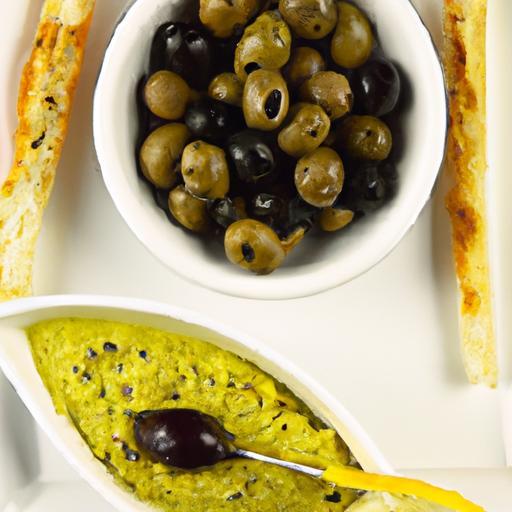
- Prepare the olives and capers. For the boldest and most authentic flavor, select Kalamata olives-dark purple, meaty, and intensely flavored-and high-quality capers preserved in brine. Drain olives and rinse capers thoroughly to tame excessive saltiness.
- combine key ingredients. In a food processor or sturdy mortar and pestle, add olives, capers, garlic, lemon zest, and Dijon mustard. Pulse or grind gently to break down the ingredients into a coarse paste, retaining a slightly chunky texture for visual and textural contrast.
- Incorporate liquid elements. Pour in the extra-virgin olive oil and fresh lemon juice slowly while pulsing or stirring. This emulsifies the tapenade, creating a glossy finish that binds the flavors beautifully.
- Adjust seasoning. Stir in freshly ground black pepper and fold in chopped parsley to brighten the medley with herbaceous notes. Taste and balance saltiness if needed-but remember olives and capers already pack a punch.
- Rest the tapenade at room temperature for 15 minutes to allow the flavors to meld-this critical step transforms the preparation into a symphony of umami and acidity.
Choosing the Best Olives and Capers for Bold, Authentic Taste
The secret of a stellar tapenade lies in the quality of its star ingredients. Use plump, oily Kalamata olives-their deep purple skin signals a rich, fruity taste that outshines bland or pitted green olives. Similarly, opt for firm, medium-sized capers packed in brine rather than vinegar to maintain a natural tartness that harmonizes rather than dominates. Rinse capers before use to avoid overpowering saltiness, preserving the radiant, sharp counterpoint essential for balance.
Chef’s Notes: Tips for Success
- Texture preference: for a smoother tapenade, process a bit longer, adding olive oil gradually. for rustic charm, pulse less and leave bits of olive and caper intact.
- Make ahead: Tapenade tastes best after resting overnight in the fridge,giving the flavors time to marry fully. Bring to room temperature before serving.
- Variations: Add sun-dried tomatoes or roasted red peppers for a smoky twist, or swap Kalamata for Castelvetrano olives for a milder, buttery profile.
- Storage: Store in an airtight container with olive oil drizzled on top to preserve freshness up to one week in the refrigerator.
- Reducing bitterness: If olives taste too sharp, soak them briefly in warm water to mellow.
Creative Ways to Elevate Everyday Dishes with Zesty Tapenade
Transform simple meals by incorporating this zesty tapenade as a flavor powerhouse. Spread it generously over toasted baguette slices for instant, elegant crostini. Dollop it atop grilled fish or roasted chicken to awaken the palate with briny complexity. Stir into warm pasta with a drizzle of olive oil for a quick Mediterranean-inspired dinner. use as a vibrant sauce base on homemade pizzas, or spoon over avocado toast to add gourmet panache to your morning ritual.
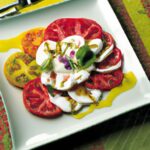
For a vibrant lunch, dollop tapenade alongside fresh mozzarella and ripe tomatoes to amplify a classic Caprese salad’s brightness. Even a plain roasted vegetable medley gets revived when tossed with a sprinkle of this olive and caper mélange. The possibilities are endless-this condiment effortlessly infuses Mediterranean brightness into every bite.
nutritional Facts
| Nutrient | Per 2 Tbsp Serving |
|---|---|
| Calories | 90 kcal |
| protein | 1 g |
| carbohydrates | 2 g |
| Fat | 8 g (mostly healthy fats) |

For more Mediterranean-inspired recipes, explore our collection of olive-infused dishes. To understand more about the health benefits of olives and capers, visit Medical News Today.
Q&A
Q&A: zesty tapenade – Olive and Caper Recipe to Elevate Dishes
Q1: What exactly is tapenade, and why is it considered a culinary gem?
A1: Tapenade is a savory Provençal spread traditionally made from finely chopped or blended olives, capers, anchovies, and olive oil. This Mediterranean marvel is cherished for its bold, briny flavors and versatile use-it can transform simple bread, grilled fish, roasted vegetables, or even sandwiches into a vibrant taste experience.Think of it as a punch of umami magic that awakens your palate with each bite.
Q2: what makes the “Zesty Tapenade” different from a classic tapenade recipe?
A2: The “Zesty Tapenade” amps up the brightness and complexity by incorporating fresh lemon zest,a splash of tangy vinegar,and a hint of chili or garlic for warmth. This citrusy twist refreshes the traditional dense, salty profile, creating a lively balance between tart, salty, and spicy notes that lift the dish – making it perfect for those who crave an extra zing.
Q3: Which types of olives work best for this recipe?
A3: For a zesty tapenade,a combination of kalamata and green Castelvetrano olives is ideal.Kalamatas bring a rich, fruity depth and characteristic purple hue, while Castelvetranos add buttery, slightly sweet undertones and a lovely green color.Together,they create a visually appealing and flavorful base that harmonizes with the capers’ sharpness.
Q4: How do capers enhance the tapenade’s flavor profile?
A4: Capers contribute a briny, tangy pop that cuts through the richness of the olives and oil. Their slightly floral and lemony notes add layers of complexity, while their natural acidity brightens the whole spread. Without capers, tapenade would lack that essential punch of piquancy.Q5: Can the zesty tapenade be customized for various dietary preferences?
A5: Absolutely! The traditional recipe sometimes includes anchovies for umami depth, but it’s easily omitted for vegetarian or vegan diets without sacrificing flavor-just add a touch of smoked paprika or miso paste for that savory boost. Additionally, adjust the chili or garlic levels to suit your spice tolerance or cleanse the palate with fresh herbs like parsley or basil.
Q6: What are some creative ways to serve zesty tapenade?
A6: beyond the classic crostini topping, try swirling tapenade into pasta for a quick mediterranean flair or dolloping it onto grilled chicken or fish for a vibrant finish. it’s fantastic as a sandwich spread, a salad dressing base when thinned with a bit more olive oil, or stirred into creamy cheeses like ricotta or goat cheese for an eye-catching appetizer.
Q7: How should zesty tapenade be stored, and how long will it keep?
A7: Store your tapenade in an airtight container, drizzled with a thin layer of olive oil on top to prevent oxidation.Refrigerated, it will stay fresh and flavorful for up to 1 week. If you want to keep it longer, consider freezing portions in ice cube trays for easy defrosting.
Q8: What kitchen tools will make preparing zesty tapenade easier?
A8: A food processor or blender ensures a smooth yet textured consistency without the labor of hand-chopping. A microplane grater is excellent for zesting lemons, adding those delicate citrus oils without bitterness. Lastly, a good-quality olive oil dramatically elevates the final flavor, so choose one that’s fresh and fruity.
Q9: Why is tapenade a must-have condiment in your culinary repertoire?
A9: Tapenade is the ultimate flavor enhancer-simple to make, endlessly adaptable, and a powerhouse of Mediterranean nutrition. Its bold,bright flavors awaken the most humble dishes and inspire creativity in the kitchen.Whether you’re entertaining or crafting a quick snack, zesty tapenade is your secret weapon to elevate every bite.
Unlock the vibrant world of olives and capers with this zesty tapenade recipe-your taste buds will thank you!
The Conclusion
Whether spread on crusty bread, stirred into pasta, or dolloped atop grilled fish, this zesty tapenade brings a vibrant punch of olives and capers that instantly elevates any dish. Its bold, briny flavors offer not just a condiment but a culinary experience-one that awakens the palate and invites endless creativity in the kitchen. So next time you’re seeking a bright, flavorful boost, remember this tapenade recipe: a simple blend with remarkable potential to transform everyday meals into memorable feasts.