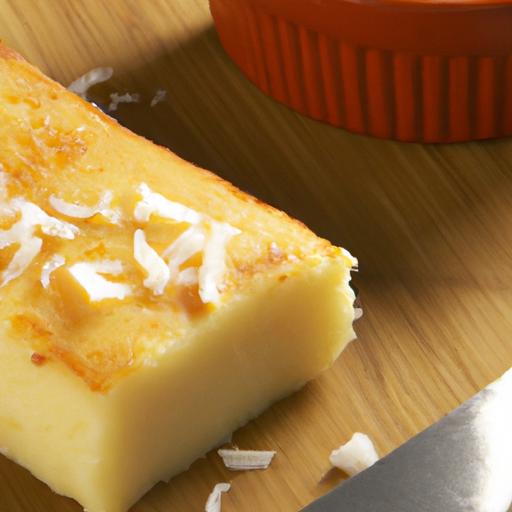
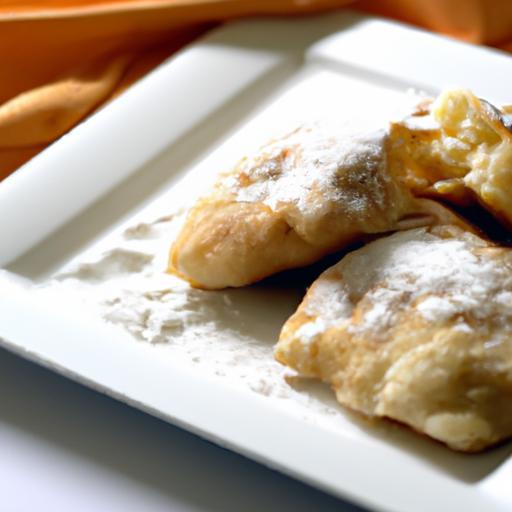

Tapioca flour, a versatile and naturally gluten-free ingredient, has quietly been winning over kitchens around the world.Derived from the starchy root of the cassava plant, this fine, powdery flour is celebrated not only for its distinctive texture but also for its ability to transform ordinary dishes into remarkable culinary delights. Whether you’re whipping up a breakfast pancake, baking a batch of tender bread, or crafting a savory sauce, tapioca flour brings a unique touch that elevates every meal. Join us as we dive into a world of appetizing tapioca flour recipes designed to inspire your cooking from dawn till dusk,proving that this humble starch is truly an all-day kitchen hero.
Discover delicious tapioca flour recipes for every meal wiht this heartfelt exploration of how this versatile ingredient can transform your everyday dishes. tapioca flour,derived from the cassava root,lends a naturally chewy texture and subtle sweetness that elevates breakfast,lunch,dinner,and even dessert. from fluffy pancakes with a crisp edge to luscious tapioca pudding and tender gluten-free breads, tapioca flour’s magic is undeniable. Let’s dive into creative, hearty, and sweet ways to enjoy this gluten-free marvel, ensuring perfect texture and vibrant flavors every time.
Prep and Cook Time
- Prep: 10 minutes
- Cook: 20 minutes
Yield
- Serves 4
Difficulty Level
- Easy to Medium
Ingredients
- 1 cup tapioca flour (freshly sifted for best results)
- 2 large eggs, room temperature
- 1/2 cup coconut milk (or almond milk for a lighter touch)
- 2 tbsp unsalted butter, melted
- 1 tbsp honey or maple syrup
- 1 tsp vanilla extract
- 1/2 tsp baking powder (gluten-free)
- Pinch of sea salt
- Butter or oil for cooking
Instructions
- Whisk together the eggs, coconut milk, melted butter, honey, and vanilla extract in a large mixing bowl until smooth and creamy, creating a luscious base for your batter.
- In a separate bowl, sift the tapioca flour, baking powder, and salt to ensure no lumps, which will help preserve the delicate texture and lightness.
- Gradually fold the dry ingredients into the wet mixture using a spatula, stirring gently to form a thick but pourable batter. Avoid overmixing to keep the pancakes tender.
- Heat a non-stick skillet or griddle over medium heat and lightly grease with butter or oil.
- Pour 1/4 cup of batter per pancake onto the skillet,spreading slightly with the back of a spoon to form even rounds. Cook until bubbles appear on the surface and edges look set, about 2-3 minutes.
- Flip carefully and cook the other side until golden brown, about 1-2 minutes more. Repeat with remaining batter.
- Serve instantly topped with fresh berries, a drizzle of maple syrup, and a dusting of powdered sugar, or keep warm on a baking sheet in a low oven until all pancakes are done.
Chef’s Notes
- Substitutions: Try swapping coconut milk for oat milk or dairy for extra creaminess.
- Texture Tip: Tapioca flour provides chewiness-balance it by combining 50/50 with almond or rice flour for lighter pancakes.
- Make Ahead: Prepare the batter the night before and store in the fridge; stir gently before cooking.
- troubleshooting: If pancakes are too dense, add 2 tablespoons more coconut milk to loosen the batter slightly.
Serving Suggestions
Present these tapioca flour pancakes stacked tall on a rustic wooden board, garnished with vibrant berries and fresh mint leaves. Pair with a dollop of creamy coconut yogurt or whipped mascarpone for elegant contrast. This dish shines alongside a freshly brewed cup of coffee or herbal tea, turning your breakfast into a mindful, indulgent ritual.

Nutritional Facts (per serving)
| Calories | Protein | Carbohydrates | Fat |
|---|---|---|---|
| 220 kcal | 6 g | 28 g | 8 g |
More Inspired Tapioca Flour Recipes
For more inventive ideas on how to savor tapioca flour in hearty lunch and dinner dishes, including gluten-free breads and crispy coatings, check out our Guide to Tapioca Flour in Savory Meals. To explore health benefits and culinary history, visit the authority page on cassava roots at Britannica’s cassava overview.
Q&A
Q&A: Discover Delicious Tapioca Flour Recipes for Every Meal
Q1: What exactly is tapioca flour, and how is it different from regular flour?
A1: Tapioca flour, also known as tapioca starch, is a gluten-free, fine white powder extracted from the cassava root. Unlike wheat flour, it’s naturally free of gluten and has a neutral flavor, making it a versatile ingredient that can add chewiness and crispiness to your dishes without overpowering them. It’s especially great for those with gluten sensitivities or anyone looking to experiment beyond traditional flours.
Q2: Can tapioca flour be used for all types of meals-breakfast, lunch, and dinner?
A2: Absolutely! Tapioca flour is incredibly adaptable. For breakfast, you can whip up fluffy pancakes or tapioca crepes. At lunch, it shines in gluten-free breads or as a thickener in creamy soups. Dinner options include crispy coatings on fried veggies or proteins, and even gluten-free pasta or dumplings. Its neutral taste lets it blend seamlessly into both sweet and savory dishes.Q3: How does tapioca flour affect the texture of baked goods?
A3: tapioca flour contributes a unique lightness and chewiness that’s hard to replicate with other flours. It often adds a slightly elastic texture, making breads and cakes tender yet springy. In baked goods, it also helps retain moisture, ensuring your treats stay fresh longer with a pleasing mouthfeel.
Q4: Are there any simple tapioca flour recipes for beginners?
A4: Yes! A beginner-amiable recipe is tapioca flour pancakes. Mix tapioca flour with eggs, milk, a bit of sugar, and baking powder for a swift, gluten-free breakfast. Another simple option is using tapioca starch as a thickener in sauces-just whisk it into cold water before adding it to your simmering dish for a glossy, velvety finish.
Q5: Is tapioca flour suitable for people with dietary restrictions?
A5: Tapioca flour is a dream ingredient for many dietary needs.It’s naturally gluten-free, grain-free, dairy-free, and nut-free, making it safe for those with common allergies and intolerances. Plus, it’s vegan-friendly and low in fat, so it fits perfectly into many healthy eating plans.
Q6: Where can I find tapioca flour, and how should I store it?
A6: Tapioca flour is widely available in grocery stores, health food shops, and online. Look for it in the gluten-free or baking sections.Store it in an airtight container in a cool,dry place away from direct sunlight. Proper storage helps maintain its freshness and keeps clumps at bay.
Q7: Any tips for cooking with tapioca flour?
A7: When using tapioca flour, remember it thickens quickly, so add it gradually to hot liquids. It works best combined with other flours for balanced texture in baked goods. Also, because it doesn’t brown as much as wheat flour, you might want to adjust your cooking time or add a bit of sugar or honey to encourage caramelization.
Q8: can I substitute tapioca flour for other flours in recipes?
A8: You can, but with some caveats. Tapioca flour is best used in combination with other gluten-free flours like almond or rice flour for baking. It isn’t a 1:1 swap for wheat flour because it behaves differently, especially with absorbing liquids and providing structure. Experimentation and adjustments to liquid ratios frequently enough yield the best results.
Q9: What are some creative ways to incorporate tapioca flour into meals?
A9: Beyond baking, try making crispy tapioca flour-coated tofu or veggies for a satisfying crunch. Use it to make Brazilian cheese bread (pão de queijo) for a savory snack, or create delicate tapioca dumplings filled with your favourite ingredients. Even puddings and bubble tea pearls rely on tapioca starch for their signature texture!
Q10: Why should I add tapioca flour to my kitchen arsenal?
A10: Tapioca flour is like a secret weapon in the culinary world-it enhances textures, embraces dietary needs, and opens up endless recipe possibilities. Whether you’re gluten-free, looking to diversify your meals, or just love experimenting with new ingredients, tapioca flour guarantees delicious dishes from breakfast to dinner and beyond.
The Way Forward
From breakfast crepes to chewy desserts and hearty savory dishes, tapioca flour proves to be a versatile star in the kitchen.Whether you’re aiming to experiment with gluten-free alternatives or simply add a unique twist to your meals, these tapioca flour recipes invite you to explore bold textures and delightful flavors. So next time you’re ready to cook, let tapioca flour inspire your creativity-turning every meal into a delicious adventure worth savoring.