
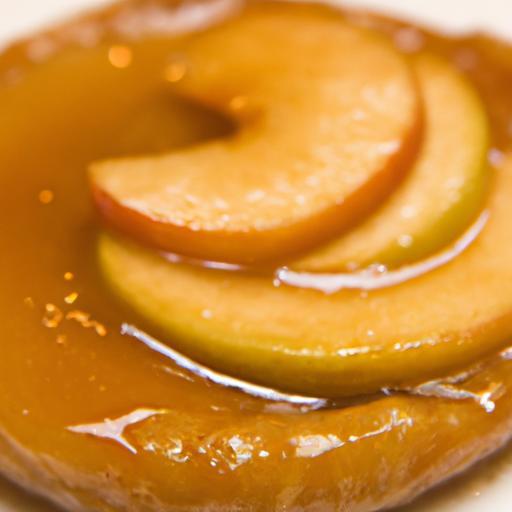

There’s a certain magic that happens when humble apples meet molten caramel, transforming into a dessert that is both rustic and regal: the Tarte Tatin. This iconic French pastry, with its glossy crown of golden, caramelized apples perched atop a buttery, flaky crust, has enchanted palates for over a century. But beneath its inviting surface lies a rich history, clever technique, and a delicate balance of flavors that elevates it from simple tart to an art form. In “Tarte Tatin Unveiled: The Art of Caramelized Apple Bliss,” we embark on a flavorful journey to uncover the secrets behind this timeless classic-exploring its origins, mastering the caramelization process, and celebrating the irresistible alchemy that makes every bite a perfect harmony of sweet, tart, and buttery delight.
The origins and legend behind Tarte Tatin
Tarte Tatin unveiled its irresistible charm in the world of desserts through a fortuitous kitchen mishap turned culinary masterpiece. Originating from the loire Valley in France during the late 19th century, this caramelized apple tart owes its fame to the Tatin sisters, Stéphanie and Caroline. Legend has it that Stéphanie, while attempting to make a conventional apple pie, accidentally left her apples cooking in butter and sugar too long. Rather of discarding the “burnt” apples, she covered them with pastry and baked the whole pan upside down. The result? A luscious, golden, caramel-kissed tart that delighted guests and immortalized her name.
what makes the appeal of this dessert so distinctive is the marriage of rich,buttery caramel and tender apples encased in a crisp,flaky crust. This dish doesn’t just deliver sweetness; it embodies a harmony of textures and a deep, nuanced flavor that speaks of French culinary heritage and creativity.
mastering the Perfect Caramel for Ultimate Flavor
Creating the perfect caramel is the foundation of achieving that signature depth in Tarte Tatin. It requires patience and careful attention to avoid bitterness while developing a rich amber hue. Begin by melting granulated sugar with just a splash of water over medium heat. Resist stirring once it starts bubbling; rather, gently swirl the pan to ensure even melting. Watch closely as the sugar transitions from clear syrup to a golden caramel-timing is everything here, as a few seconds can shift caramel’s flavor from perfectly sweet to bitter.
Adding butter just after the caramel reaches the optimal color introduces creaminess, while a pinch of salt balances the sweetness, enhancing complexity. Pour this luxurious caramel gently over the apples in your pan to coat every curve and nook for that irresistible glaze.
Choosing the Right Apples for Each Season
The best Tarte Tatin is a party of seasonal fruit.Apples chosen should hold their shape but soften with cooking, layering texture and flavor beneath the caramel’s glossy surface. In fall, Granny Smith or Braeburn apples are ideal for their crisp texture and tartness which contrast beautifully with caramel’s sweetness.
During winter, slightly softer varieties like Pink Lady or Fuji lend a honeyed note and juicy tenderness. In spring and summer, though apples are less common, firm Gala work well if available.Selecting fresh, firm apples and slicing them evenly ensures they cook uniformly and achieve that coveted melt-in-your-mouth quality.
Expert Tips for Achieving a flawless tarte Tatin Crust
The crust of your Tarte Tatin should be a delicate balance of buttery richness, flakiness, and sturdy support for the luscious apple and caramel topping. For an impeccable result, use a pâte brisée or classic shortcrust pastry-made from a blend of all-purpose flour, cold butter, a pinch of salt, and a little icing sugar for subtle sweetness.
Handling the dough with care is paramount; avoid overworking to keep it tender. chill the dough for at least 30 minutes before rolling to relax gluten and ensure crispness after baking.Roll it slightly larger than your pan’s diameter so it covers the apples fully,then fold the edges neatly around the fruit for a clean finish. Blind baking isn’t necessary here,but pressing the dough gently atop the caramelized apples ensures it seeps flavors down without sogginess.
For an elegant shine,brush the crust with an egg wash before baking,and consider a sprinkle of coarse sugar for added crunch and shimmer.
Prep and Cook Time
- Planning: 25 minutes
- Cooking: 40 minutes
- Total: 65 minutes
Yield
Serves 6 generously
Difficulty Level
Intermediate – perfect for confident bakers seeking to elevate their dessert game
Ingredients
- 6 large firm apples (Granny Smith or Braeburn preferred), peeled, cored, and halved
- 1 cup granulated sugar
- 6 tbsp unsalted butter, cut into pieces
- 1 tbsp fresh lemon juice
- 1/4 tsp fine sea salt
- 1 sheet of shortcrust pastry (about 9 inches in diameter), chilled
- 1 egg (for egg wash)
- Coarse sugar for sprinkling (optional)
Instructions
- Preheat your oven to 375°F (190°C).
- Prepare the caramel: In an ovenproof 9-inch heavy skillet or tart pan, sprinkle the granulated sugar evenly. Place over medium heat and let sugar melt without stirring, swirling gently; continue until a deep golden amber caramel forms (about 8-10 minutes).
- Add butter and salt carefully to the caramel, stirring rapidly to combine into a smooth sauce. Remove from heat.
- Arrange the apples tightly in the caramel, rounded side down. Squeeze lemon juice over the fruit to prevent browning and add brightness.
- Cook apples on medium heat for about 15 minutes, basting occasionally with caramel until they start to soften and soak the caramel flavor.
- Roll out the chilled pastry to fit the pan, trimming edges if necessary.
- Place the pastry over the apples, tucking edges down between apples and pan sides carefully.
- Brush the pastry with egg wash and sprinkle with coarse sugar for a golden finish.
- Bake in the oven for 25 minutes, or until the crust is golden and crisp.
- Cool for 5 minutes before carefully inverting onto a serving plate. Allow apples to glisten and caramel to drizzle enticingly.
Chef’s Notes
- Use a heavy cast-iron or stainless steel skillet that can transition from stovetop to oven effortlessly.
- If the caramel hardens too much before adding butter or apples, gently warm the pan to soften it again.
- Try adding a splash of Calvados or brandy over the apples after cooking for an adult twist.
- Make ahead tip: Prepare caramel and apples portion up to step 5, let cool, then refrigerate covered overnight. Add pastry and bake fresh the next day.
- For gluten-free variations, substitute pastry with a nut-based crust or gluten-free dough.
Serving Suggestions
Serve this luscious tart warm, paired with a scoop of vanilla bean ice cream or a dollop of freshly whipped cream. Garnish with a sprinkle of finely chopped toasted almonds or a dusting of powdered cinnamon for visual warmth and subtle spice.A drizzle of crème fraîche balances the sweetness beautifully.For a refined presentation, decorate the plate with a light caramel sauce or a few fresh mint leaves.

| Nutritional Info (per serving) | Calories | Protein | Carbs | Fat |
|---|---|---|---|---|
| Tarte Tatin | 320 kcal | 2 g | 45 g | 12 g |
Explore more French classics like Classic French Pastry: Five favorites to master your dessert repertoire. For a deeper dive into apple varieties, visit US Apple Association.
Q&A
Q&A: Tarte Tatin Unveiled – The Art of Caramelized Apple Bliss
Q1: What exactly is a Tarte Tatin?
A1: Imagine a caramel-kissed apple symphony baked upside down-this is Tarte Tatin. Originating from France, it’s a rustic yet elegant dessert where apples are gently caramelized in butter and sugar, then baked beneath a buttery pastry crust. Once done, it’s flipped to reveal a glossy, golden crown of tender, caramelized apples-a true celebration of simplicity and flavor.
Q2: Where did Tarte Tatin come from?
A2: Legend has it that the Tarte Tatin was born out of a happy kitchen accident in the late 19th century by the Tatin sisters in Lamotte-Beuvron, France. One sister mistakenly caramelized apples for too long, decided to cover them with pastry dough, and baked the concoction upside down. The result was so appetizing it became an iconic French classic.
Q3: What makes the caramelization process so special in a Tarte Tatin?
A3: Caramelization is the heart and soul of Tarte Tatin. It transforms simple apples into a deep amber treasure chest of sweet, nutty, and slightly smoky flavors. Achieved by patiently melting sugar and butter until golden and glossy, this process creates a luscious coating that envelopes each apple slice, turning every bite into a blissful, melt-in-your-mouth experience.
Q4: Are there particular apple varieties that work best for Tarte Tatin?
A4: Absolutely! Not all apples are created equal in the caramelized kingdom. Firm, tart, and slightly sweet apples like Granny Smith, Honeycrisp, or Braeburn hold their shape beautifully and balance the rich caramel’s sweetness. Their crisp texture and bright acidity elevate the dessert from good to unforgettable.
Q5: Can Tarte Tatin be adapted beyond classic apples?
A5: Definitely! While the apple reigns supreme, adventurous bakers experiment with pears, peaches, pineapples, even quince. Each fruit brings its own flair and nuances to the caramel, offering endless variations on this upside-down delight-yet all rooted in that signature caramelized bliss.
Q6: What’s the secret to getting the perfect pastry for a Tarte Tatin?
A6: The crust must be buttery, flaky, and just the right thickness to cradle the caramelized apples without absorbing too much juice. Many purists prefer a classic pâte brisée or puff pastry with chilled butter worked quickly into the dough. The goal is a tender, golden shell that contrasts the sticky sweetness above.
Q7: How should tarte Tatin be served to highlight its flavors?
A7: Serve it warm, fresh from the pan flip, ideally with a dollop of crème fraîche, a scoop of vanilla ice cream, or a drizzle of softly whipped cream. The temperature contrast enhances the caramel’s richness, the fruit’s tenderness, and the pastry’s crispness-transforming each forkful into a decadent moment of bliss.
Q8: Why has Tarte Tatin remained a beloved classic through centuries?
A8: Its enduring charm lies in the marriage of rustic technique with refined flavor-an elegant simplicity that speaks to the beauty of caramelized fruit and flaky pastry. It’s comfort and sophistication wrapped into one. Each Tarte Tatin tells a tale of happy accidents, craftsmanship, and timeless indulgence that continues to captivate dessert lovers worldwide.
Ready to embark on your own caramelized apple journey? Tarte Tatin isn’t just a dessert-it’s an art form waiting to be savored.
Future Outlook
As the final caramel drizzle sets and the warm aroma of baked apples fills the air, the Tarte Tatin stands as a testament to the delicate dance between simplicity and sophistication. This humble yet exquisite dessert invites us not only to savor its rich, buttery layers but to appreciate the artistry behind every caramelized bite. Whether you’re a seasoned pâtissier or an adventurous home baker, mastering the Tarte Tatin is more than a culinary feat-it’s an invitation to celebrate tradition, technique, and the irresistible allure of caramelized apple bliss. So next time you slice into this golden treasure, remember: you’re tasting a story as rich and layered as the dessert itself.