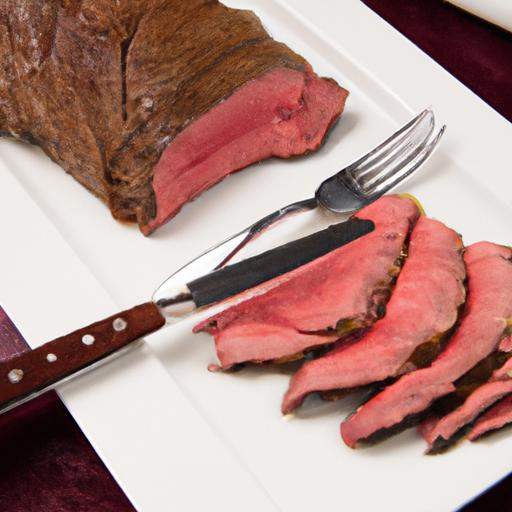
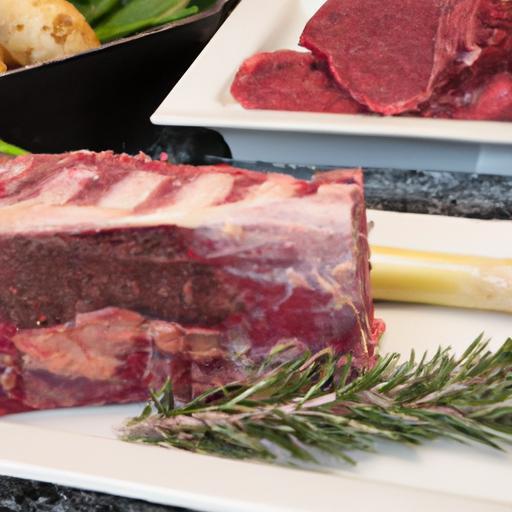

There’s something undeniably majestic about a perfectly cooked prime rib-its rich marbling, succulent juices, adn tender texture evoke a dining experience fit for royalty. Yet, achieving that flawless balance of melt-in-your-mouth tenderness without overcooking can be a daunting culinary challenge. Enter sous vide, the revolutionary cooking technique that’s transforming how we approach even the most demanding cuts of beef. in this article, we’ll unravel the secrets of “Perfectly Tender Prime Rib: Mastering Sous Vide Magic,” guiding you thru precise temperature control and patient immersion to unlock unparalleled flavour and tenderness. Prepare to elevate your prime rib game wiht a method that blends science and artistry into every bite.
Choosing the Ideal Cut and Preparing It for Sous Vide Perfection
Perfectly Tender Prime Rib starts with selecting the right cut-a decision that elevates every stage of the cooking journey. opt for a prime rib roast (also known as standing rib roast) with ample marbling and a fat cap intact.This marbling melts gently during the sous vide process, infusing the meat with juicy, buttery richness that defines prime rib’s legendary succulence.
When purchasing, aim for a cut that is evenly shaped, about 4 to 6 pounds for optimal sous vide timing and consistent cooking. A well-aged prime rib lends deeper flavor and tenderness, so if you can find USDA Prime or properly aged beef from a trusted butcher, that’s gold.
Unlocking Flavor Infusion Techniques Before Sealing Your Prime Rib
Before sealing the roast in your vacuum bag,it’s essential to build layers of flavor that will permeate during the slow,precise bath. start by generously seasoning with kosher salt and freshly ground black pepper. For an aromatic boost, add crushed garlic cloves, fresh rosemary sprigs, and thyme-classic companions to prime rib.A light drizzle of olive oil or melted butter coats the surface, creating a barrier that keeps those flavors locked in and the meat tender.
To elevate the flavor even further,consider a dry rub or a compound butter made with herbs,Dijon mustard,and crushed peppercorns.These infuse subtle complexity while maintaining the pure, rich essence of the beef.lay the seasoned roast carefully inside a vacuum-sealed bag or high-quality sous vide pouch, removing as much air as possible to ensure full contact with the water bath.
Precision Temperature and Timing for Ultimate Tenderness
The magic of Perfectly Tender Prime Rib lies in dialing in an exact temperature and cooking time, which sous vide uniquely delivers. For medium-rare, set your immersion circulator to 133°F (56°C). Cooking the entire roast for 6 to 10 hours allows tough connective tissues to gently break down while retaining moisture-resulting in silky, steakhouse-quality meat from edge to edge.
Adjust the time based on your preferred doneness: 120°F (49°C) for rare or up to 140°F (60°C) for medium-well. Longer cook times (up to 12 hours) will further tenderize but can change texture subtly. Remember, sous vide eliminates the risk of overcooking, so it’s forgiving and perfect for getting consistent results every time.
expert Tips for Finishing with a Searing Crust That impresses
The final step is what transforms your beautifully cooked prime rib into a show-stopping masterpiece: creating a golden,flavorful crust. After the sous vide bath, remove the roast from the bag and pat it fully dry using paper towels-moisture on the surface will steam instead of sear.
Preheat a cast-iron skillet or heavy-duty pan until smoking hot. Use a high smoke point oil such as grapeseed or avocado oil and sear the roast for 30-60 seconds per side, including the ends. The goal is a deep brown, slightly crusty exterior without further cooking the inside.
For enhanced flavor and an notable finish,baste the roast during searing with melted butter and fresh herbs. Alternatively, use a torch for a pinpoint char that highlights the natural beefy aroma. Rest your prime rib briefly before slicing to let juices redistribute and enjoy the richest, juiciest bite possible.

For more on complementary sides and wine pairings, check out our Ultimate Side Dishes for Prime rib. For additional sous vide best practices, visit the Serious Eats sous vide guide.
Prep and Cook Time
- Readiness: 15 minutes
- Vacuum sealing and seasoning: 10 minutes
- Sous vide cooking time: 6 to 10 hours
- Finishing sear: 5 to 10 minutes
- Total time: Approximately 7 to 10 hours (mostly hands-off)
Yield
Serves 6 to 8 generous portions
Difficulty Level
Medium – requires basic sous vide skills and attention to detail in finishing
Ingredients
- 1 prime rib roast (4 to 6 lbs), bone-in or boneless
- 2 tbsp kosher salt
- 1 tbsp freshly ground black pepper
- 4 garlic cloves, crushed
- 3 sprigs fresh rosemary
- 3 sprigs fresh thyme
- 2 tbsp olive oil or melted butter
- High smoke point oil (grapeseed or avocado) for searing
- Optional compound butter or dry rub
Instructions
- Season the roast: Pat the prime rib dry.Generously season all sides with kosher salt and black pepper.Add crushed garlic, rosemary, and thyme, pressing herbs lightly into the surface.
- Prepare for vacuum sealing: Drizzle olive oil or melted butter evenly over the roast to lock in moisture. Place the roast in a vacuum bag along with aromatics and seal tightly, removing as much air as possible.
- Set sous vide bath: fill your container or pot with water and preheat your immersion circulator to 133°F (56°C) for medium-rare.
- Cook: Immerse the sealed prime rib completely, ensuring it’s underwater and cook for 6 to 10 hours depending on your preferred tenderness.
- Remove and dry: When cooked, carefully remove the bag, and take the roast out. Pat the entire surface dry with paper towels-this step is crucial for a perfect sear.
- preheat skillet: Heat a cast-iron skillet over high heat until it begins to smoke. Add 1-2 tablespoons of grapeseed or avocado oil.
- Sear the roast: Sear the roast for about 30-60 seconds on each side, including the ends. For extra flavor, baste with melted butter and herbs while searing.
- Rest and serve: Let the prime rib rest loosely tented with foil for 10 minutes. Slice against the grain and serve instantly, showcasing the stunning, perfectly tender results.
Chef’s notes
- For a deeper herb flavor, dry-brine the roast with salt and herbs overnight before sous vide cooking.
- If you prefer a crusty rib roast but minimal hands-on time, use a kitchen blowtorch for finishing.
- To make ahead, sous vide cook your roast and refrigerate in the sealed bag for up to 48 hours before searing and serving.
- If you lack a vacuum sealer, heavy-duty zip-lock bags with the water displacement method also work well.
Serving Suggestions
Plate slices of your Perfectly Tender Prime Rib alongside classic horseradish cream or a red wine reduction to complement the rich flavor.Roasted garlic mashed potatoes and buttered green beans make irresistible sides. Garnish with fresh rosemary sprigs or microgreens for a refined presentation that wows every guest.
| Nutrient | Per Serving |
|---|---|
| Calories | 550 |
| Protein | 48g |
| Carbohydrates | 0g |
| Fat | 38g |
Q&A
Q&A: Perfectly Tender Prime Rib – Mastering Sous Vide Magic
Q: What makes sous vide the ultimate method for cooking prime rib?
A: Sous vide transforms prime rib from good to legendary by cooking it evenly at a precise, controlled temperature. Unlike traditional roasting,it eliminates the guesswork,ensuring every bite is perfectly tender,juicy,and uniformly pink from edge to edge. It’s like giving your prime rib a slow, luxurious spa day.Q: How does sous vide enhance the tenderness of prime rib?
A: By cooking prime rib gently over several hours-frequently enough 6 to 12 at a steady low temperature-the connective tissues break down slowly without overcooking the meat. This technique melts the marbled fat into juicy veins of flavor, resulting in melt-in-your-mouth tenderness that’s hard to achieve with conventional methods.
Q: What temperature should you set for sous vide prime rib?
A: For a classic medium-rare prime rib, aim for around 133°F (56°C). This temperature yields a rosy, tender middle with a perfect edge-to-edge doneness. Want it rarer? Dial down to 129°F (54°C). Prefer medium? Raise it to 138°F (59°C). The magic lies in that consistent, exact heat.
Q: How long should prime rib stay in the sous vide bath?
A: Time is your friend here-think 6 to 12 hours, depending on the size and thickness of your roast. Longer cooks, even up to 24 hours, can elevate tenderness further, but anything beyond that risks textural changes. The low and slow soaking allows flavors to meld and fibers to relax beautifully.Q: Do you need to season prime rib before sous vide?
A: Absolutely! Season generously with salt, pepper, garlic, and herbs before vacuum sealing. The sealed bag traps and intensifies these flavors during the cook. For an extra dimension, add aromatics like rosemary, thyme, or a splash of garlic-infused oil directly into the bag.
Q: How do you finish prime rib after sous vide?
A: Once it emerges from its warm bath, a rapid sear is essential. Pat the meat dry, then blast it in a scorching hot cast-iron skillet or under a broiler for 1-2 minutes per side. This creates a caramelized crust-juicy interior meets crispy, flavorful exterior-the best of both worlds.
Q: Can sous vide prime rib replicate the traditional roast flavor?
A: While sous vide nails tender juiciness and texture perfection, the sear stage lets you introduce that classic crust and roasted character. You’ll get all the tenderness without the dry edges, plus a beautiful browned exterior that tastes like old-school roast with a modern twist.
Q: Is sous vide prime rib suitable for holidays or special occasions?
A: Perfect for impressing guests with minimal stress! Start the cook a day ahead,then relax knowing your prime rib will be flawlessly cooked. When guests arrive, it only needs a quick sear and rest before slicing. It’s precision hospitality meets show-stopping flavor.
Q: Any tips for newbies attempting sous vide prime rib?
A: Start with a good quality roast, invest in a reliable immersion circulator, and don’t skip the drying step before searing-that crust depends on it! Be patient; sous vide rewards you with pristine results. And remember, the joy is in the journey-and the juicy, tender reward at the end.
Q: How does sous vide prime rib compare cost-wise to traditional methods?
A: while sous vide requires some initial gadget investment, it can save money by preventing overcooking and reducing waste. The controlled process means every roast cooks perfectly, so you get a premium experience without needing the most expensive cut.Plus, less guesswork means fewer ruined meals!
Master the sous vide art, and your prime rib becomes an edible masterpiece-tender, juicy, and utterly perfect every time. Ready to dive into the magic? Your taste buds will thank you.
to Conclude
As you close the lid on your sous vide journey to prime rib perfection, remember: patience and precision are your best allies in unlocking that melt-in-your-mouth tenderness.By embracing the science behind gentle, controlled cooking, you transform a humble cut into a culinary masterpiece, one succulent slice at a time. Whether you’re impressing guests or treating yourself, mastering sous vide prime rib is not just a technique-it’s an invitation to savor the art of slow, deliberate flavor. So, fire up your immersion circulator, and let the magic of sous vide turn your next prime rib into an unforgettable feast.