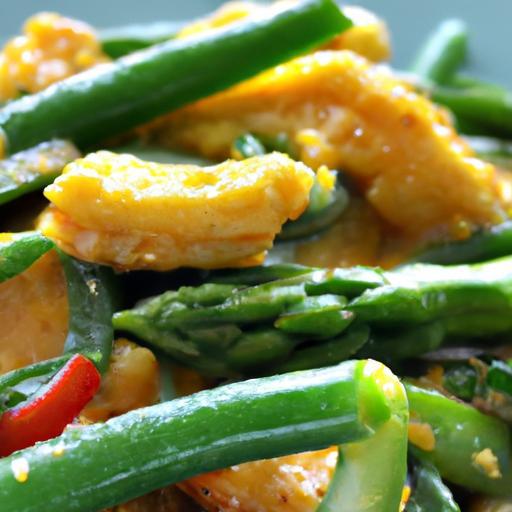

In a world where plant-based eating is blossoming with vibrant variety, the quest for powerful, protein-rich plants takes center stage. Welcome to “Power-Packed Plants: Your Ultimate Vegan Protein Guide,” where nature’s green superheroes reveal their muscle-building magic. Whether you’re a seasoned vegan, a curious flexitarian, or simply seeking to diversify your diet, this guide will uncover the top plant proteins that fuel energy, support strength, and nourish your body from root to leaf. Get ready to explore the colorful kaleidoscope of legumes, seeds, grains, and veggies that prove you don’t need meat to pack a protein punch.
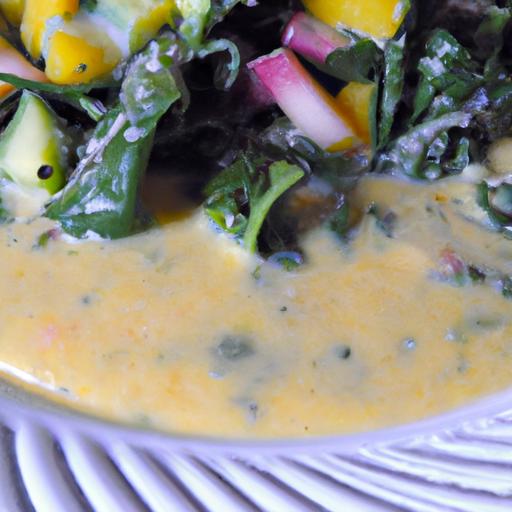
Power-Packed Plants offer an exciting gateway to elevate your vegan protein intake with a vibrant fusion of flavors and nutrients. Inspired by Mediterranean and Middle Eastern traditions, this hearty Quinoa and Chickpea Power Bowl showcases how thoughtfully combining plant proteins creates a complete amino acid profile that fuels both body and soul. Its inviting textures and colorful ingredients make it a satisfying centerpiece for any meal while proving that plant-based eating can be irresistibly delicious and nutritionally robust.
Prep and Cook Time
- Preparation: 15 minutes
- Cooking: 25 minutes
- Total Time: 40 minutes
Yield
- Serves 4 generously
Difficulty Level
- Easy – perfect for everyday cooks and meal preppers alike
Ingredients
- 1 cup organic tri-color quinoa, rinsed
- 1 ½ cups low-sodium vegetable broth
- 1 can (15 oz) chickpeas, drained and rinsed
- 1 medium red bell pepper, finely diced
- 1 small cucumber, seeded and diced
- ½ cup fresh parsley, chopped
- ¼ cup toasted pumpkin seeds (pepitas)
- 2 tbsp extra virgin olive oil
- 2 tbsp fresh lemon juice
- 1 tsp ground cumin
- ½ tsp smoked paprika
- Salt and freshly cracked black pepper to taste
- Optional: a sprinkle of crumbled vegan feta or toasted pine nuts for garnish
Instructions
- Cook the quinoa: In a medium saucepan, combine the rinsed quinoa and vegetable broth. Bring to a boil, then reduce heat to low, cover, and simmer for 15 minutes until the quinoa is fluffy and the liquid is fully absorbed. Remove from heat and let it rest, covered, for 5 minutes.
- Prepare the chickpeas: while quinoa cooks, heat 1 tablespoon of olive oil in a skillet over medium heat. Add chickpeas, cumin, and smoked paprika. Sauté for 5-7 minutes until chickpeas develop a golden crust and are fragrant. Stir occasionally to prevent sticking.
- Mix the bowl ingredients: In a large mixing bowl, fluff the cooled quinoa with a fork. Add sautéed chickpeas, diced bell pepper, cucumber, parsley, and toasted pumpkin seeds. Toss gently to combine evenly.
- Dress the Power Bowl: Drizzle with remaining olive oil and fresh lemon juice. Season with salt and pepper to your taste. Toss again, ensuring every bite is zesty and balanced.
- Plate and garnish: Serve warm or chilled. Optionally, top with crumbled vegan feta or extra seeds/nuts for an enhanced texture and visual appeal.
Tips for Success
- For an even richer amino acid spectrum, add a sprinkle of hemp seeds or chlorella powder.
- Quinoa can be substituted with farro or bulgur for different textures, but note that protein content will vary slightly.
- To save time,cook quinoa and roast chickpeas in advance; store refrigerated for up to 3 days.
- If you prefer a creamier dressing, blend 2 tablespoons tahini with lemon juice, olive oil, and water to thin.
- For a spicy kick, add freshly chopped chilies or a dash of cayenne pepper during chickpea sautéing.
Serving Suggestions
this Power Bowl shines when paired with crisp mixed greens or wrapped in whole-grain flatbreads for portable lunches. Garnish with a scattering of fresh mint leaves or edible flowers for a burst of freshness and visual appeal. Drizzle extra tahini or a light vegan yogurt sauce alongside to complement the earthy flavors. Pair with a chilled glass of herbal iced tea for a balanced, plant-protein-powered meal.
| Nutrient | Per Serving |
|---|---|
| Calories | 380 kcal |
| Protein | 18 g |
| Carbohydrates | 45 g |
| Fat | 9 g |

Unlock further nutritious vegan meals by visiting our complete guide to combining plant proteins and learn expert tips on optimizing your plant-based pantry.For detailed research on amino acid profiles and plant proteins, explore this thorough resource from NIH National Library of Medicine.
Q&A
Q&A: power-Packed Plants – Your Ultimate Vegan Protein Guide
Q1: Why is protein critically important for a vegan diet?
A: Protein is the building block of life-it repairs tissues, supports immune function, and fuels your body. For vegans, ensuring adequate protein intake means harnessing the power of plants to meet these vital needs without animal products.
Q2: Which plant-based foods are the highest in protein?
A: Think of beans, lentils, chickpeas, and peas as protein superheroes. Quinoa and amaranth pack a complete protein punch, while nuts, seeds, and soy-based goodies like tofu and tempeh round out the roster with delicious variety.Q3: Can plants provide “complete” proteins like meat does?
A: Some plants, like quinoa, soy, and buckwheat, are complete proteins-they contain all nine essential amino acids. Others pair up perfectly (e.g., rice and beans) to create a complete protein profile, making your meals both tasty and nutritionally balanced.
Q4: How much protein does a vegan really need daily?
A: While needs vary, a general guideline is about 0.8 grams of protein per kilogram of body weight. Athletes or highly active folks might ramp this up to 1.2-2.0 grams. The beauty of plants? Diverse sources make reaching these numbers a vibrant adventure.
Q5: Are vegan protein powders worthwhile?
A: Absolutely! Pea, rice, hemp, and pumpkin seed protein powders offer convenient boosts-perfect for smoothies, shakes, or baking. They’re an excellent way to amplify intake, especially on busy days or post-workout.
Q6: What about digestibility and nutrient absorption in plant proteins?
A: While some plant proteins have slightly lower digestibility than animal proteins, cooking, soaking, and sprouting can enhance nutrient absorption. Incorporate a variety of protein sources to keep your body fueled and satisfied.
Q7: Any tips for making plant proteins more exciting?
A: Spice it up! Whip hummus from chickpeas, blend lentil soups, toast seasoned chickpeas for snacks, try tempeh tacos, or enjoy a nutty quinoa salad. The plant kingdom is your culinary playground-bold flavors and textures await.
Q8: How do I ensure I’m not just eating protein, but a balanced vegan meal?
A: Balance is key-combine your protein sources with colorful veggies, whole grains, healthy fats, and plenty of fiber. Think of your plate as a rainbow of nutrients powering peak performance and wellness.
Embrace the vibrant world of power-packed plants, and watch your vegan protein game soar!
Insights and Conclusions
As we’ve uncovered, the plant kingdom is brimming with protein powerhouses that not only fuel your body but also nurture the planet. From lentils to quinoa, chickpeas to chia seeds, these vibrant veggies and grains are reshaping the way we think about protein-proving that vegan nutrition can be both complete and delicious.Embracing these power-packed plants invites you to explore a world where health meets sustainability, and every meal becomes an opportunity to nourish yourself and the earth. So next time you plan your plate, remember: the ultimate vegan protein guide is growing right in nature’s garden, ready to energize your day with every bite.